Skip to content

Research and development in forest health · Viçosa, MG

Planting resistant clones isn't luck. It's phenotyping.

Clonar assesses the resistance of genetic materials to the main forest diseases in controlled trials, drawing on a collection of 2,234 pathogen isolates. Data to decide which clone goes to the field, before the loss shows up at the end of the rotation.

Laboratory, greenhouse and field Clients with 60%+ of Brazil's planted area Projects in 10+ countries
2,234forest pathogen isolates cataloged in Clonar's collection
7diseases assessed: wilts, leaf spots, shoot blight and rust
+60%of Brazil's planted area belongs to the companies we serve
+10countries with completed research projects

The risk

R$ 500 billion in capital exposed to preventable diseases

Brazil plants 1.8 million trees a day. In clonal plantations, a single susceptible genotype multiplies the loss across thousands of hectares, and the damage shows up at the end of the rotation, when nothing can be done anymore.

R$ 500 billionCapital of the Brazilian forest sector in planted forests and industrial assets.
1.8 milliontrees planted per day in Brazil
10.5 millionhectares of planted forests
US$ 100–300 millionper year in losses to fungal diseases in Brazil alone
US$ 50–200 millionper year to pitch canker in the US, Chile and South Africa

Sources: IBÁ (2019); Scolforo (2009); loss surveys for Fusarium circinatum, Dothistroma and Heterobasidion cited in Clonar's technical presentation.

Data from Clonar trials

How likely is a clone to be resistant?

Share of assessed clones classified as resistant or susceptible to each pathogen.

ResistantSusceptible
T. nubilosaleaf spot
59%
C. fimbriataCeratocystis wilt
52%
E. psidiishoot blight
36%
X. axonopodisbacterial leaf blight
34%
A. psidiimyrtle rust
33%
C. pteridisCalonectria leaf blight
29%
R. solanacearumbacterial wilt (Ralstonia)
29%

For five of the seven pathogens, fewer than 40% of clones are resistant. Selecting without phenotyping is betting the stand on a coin toss.

Source: Clonar resistance trials (technical presentation, 2026). Percentages of the total clones assessed per pathogen.

What is at stake

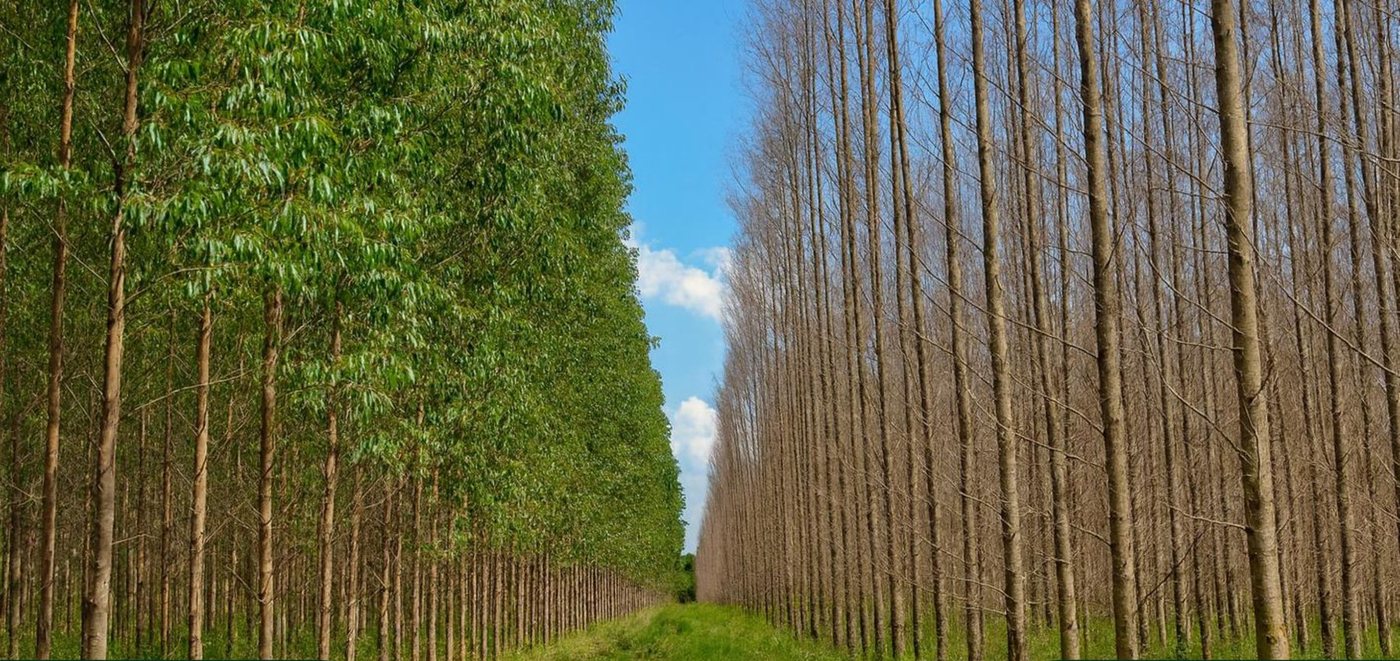
Same stand, same disease, opposite outcomes

The photo is real: two planting rows side by side, under the same environment and the same pathogen. On the left, a clone selected through reliable phenotyping. On the right, a susceptible clone.

  • The difference isn't management—it's genetics, decided years earlier, when the clone was chosen.
  • The loss shows up at the end of the rotation, after the investment in planting, tending and time has already been made.
  • Phenotyping brings this photo forward to the greenhouse, before commercial planting.
Resistant clone on the left, with a green canopy; susceptible clone on the right, with dead trees, in the same stand
Resistant cloneSusceptible clone

Services

Three fronts to protect forest capital

From the greenhouse trial to the 15-year breeding plan: applied science to decide with data, not luck.

01Flagship service

Phenotyping and disease-resistance assessment

Assessment of how genetic materials perform against the main forest diseases, measuring severity, progress and impact.

  • Trials in greenhouse, field and controlled environments
  • Representative isolates from the 2,234-isolate collection, by region and aggressiveness
  • Seven diseases: wilts, leaf spots, shoot blight and rust
  • Per-clone report with classification and recommendation

Who it is for
Breeding and R&D managers who need to release clones with confidence.
02

Applied research and technology development

Projects tailored to solve real biological bottlenecks in plant pathology and forest disease resistance.

  • Bioassays in laboratory, nursery, greenhouse and field
  • Consortium projects with funding (Embrapii, BNDES, Fapemig)
  • Partnership with universities and research funders
  • Projects carried out in more than 10 countries

Who it is for
Technical and industrial management with a field problem the literature doesn't answer.

03

Genetic Improvement Master Plan

A structured program that sets the company's genetic direction for the next 5, 10 and 15 years, with a focus on disease resistance.

  • Diagnosis and design of the breeding cycle
  • Selection criteria and trial structure
  • Targets by horizon: 5, 10 and 15 years
  • Ongoing follow-up with the technical team

Who it is for
Forestry management and genetics committees that decide the clonal portfolio.

Methodology

How we phenotype

Assessing resistance isn't "throwing a fungus at the plant." It means reproducing, under control, the three conditions for disease—and measuring.

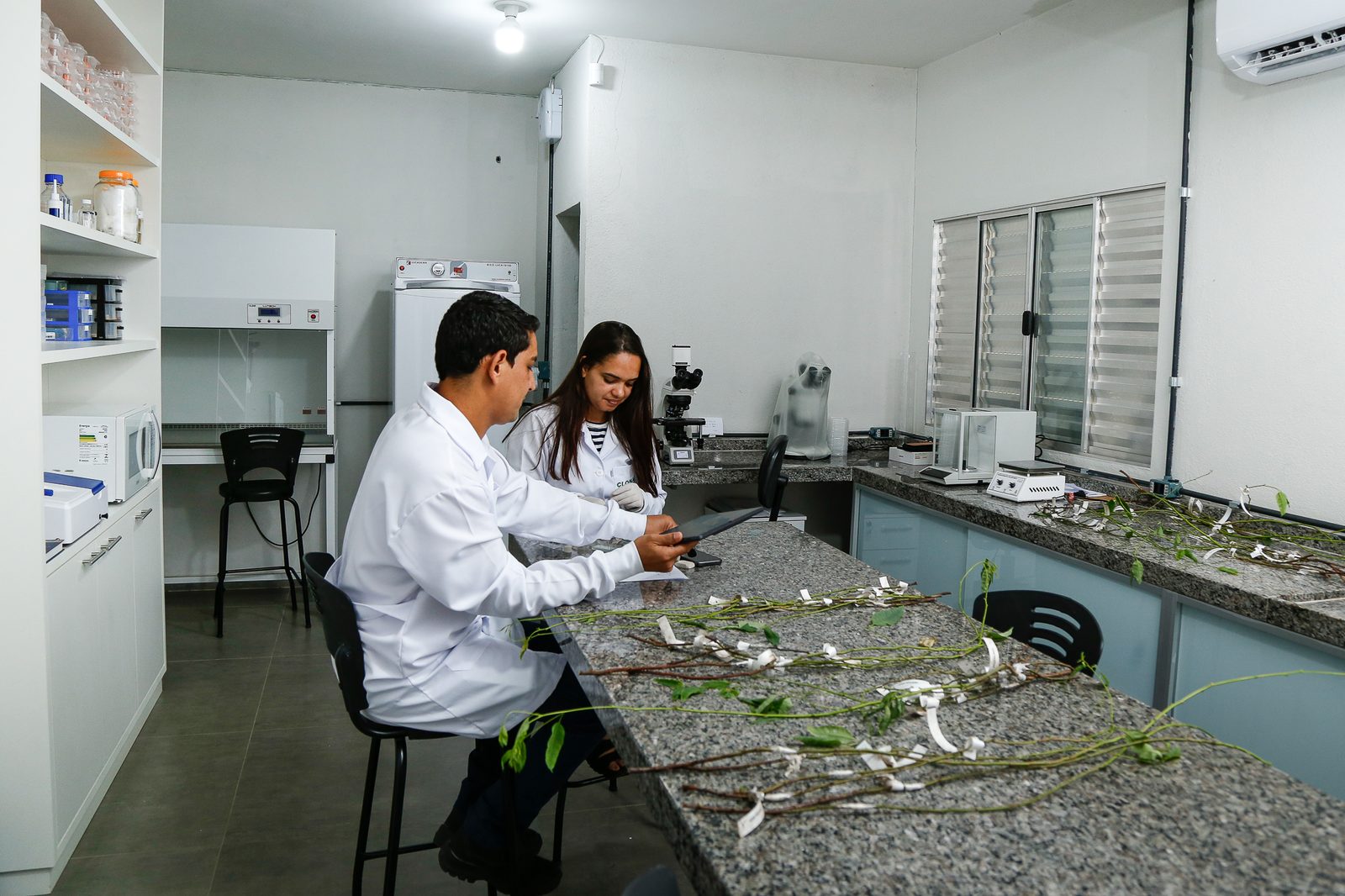
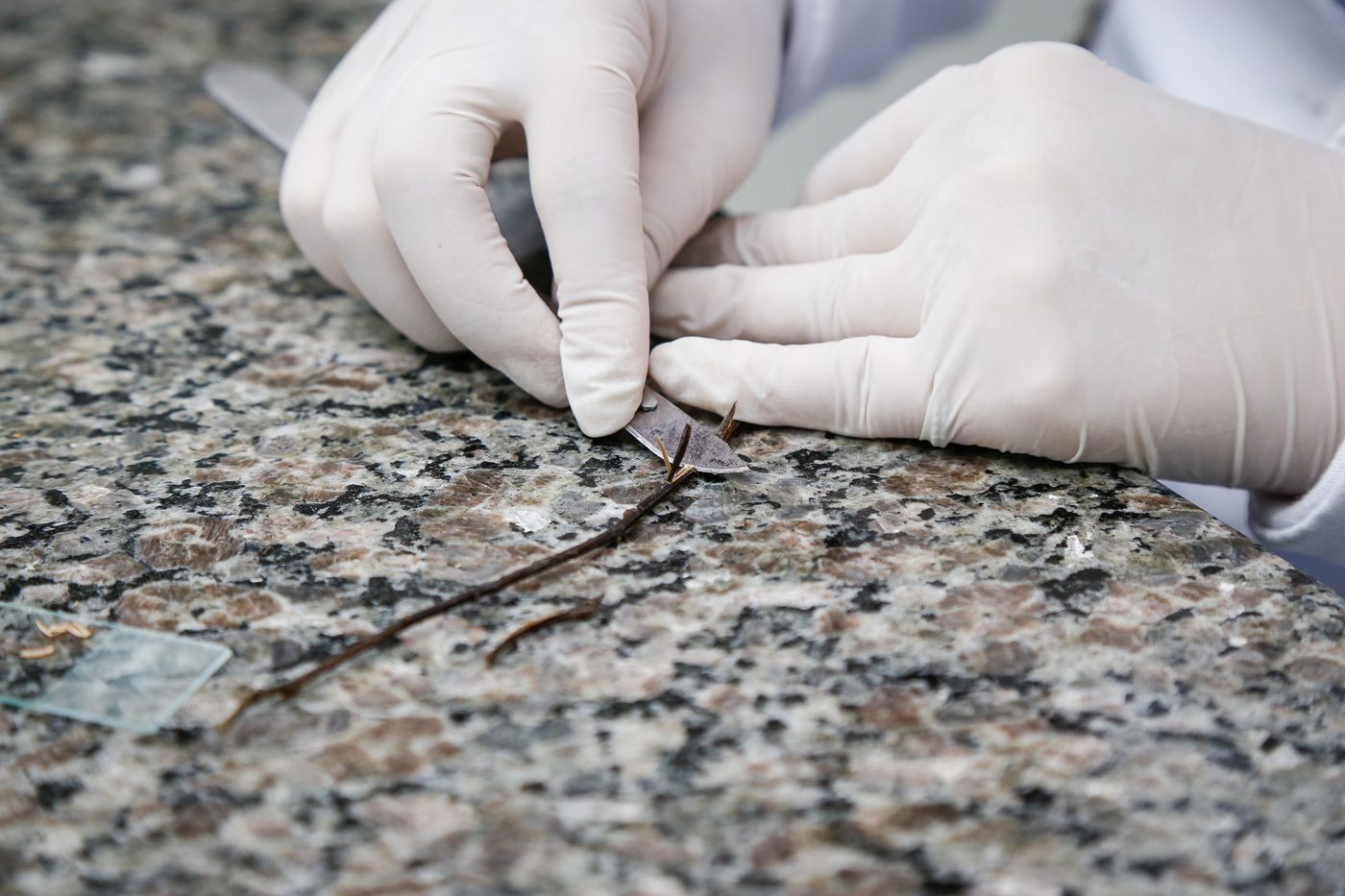
Researcher handles a plant tissue sample with gloves in Clonar's laboratory
01 · ISOLATE

Representative pathogen

Isolates chosen from the collection by geographic origin, host and proven aggressiveness.

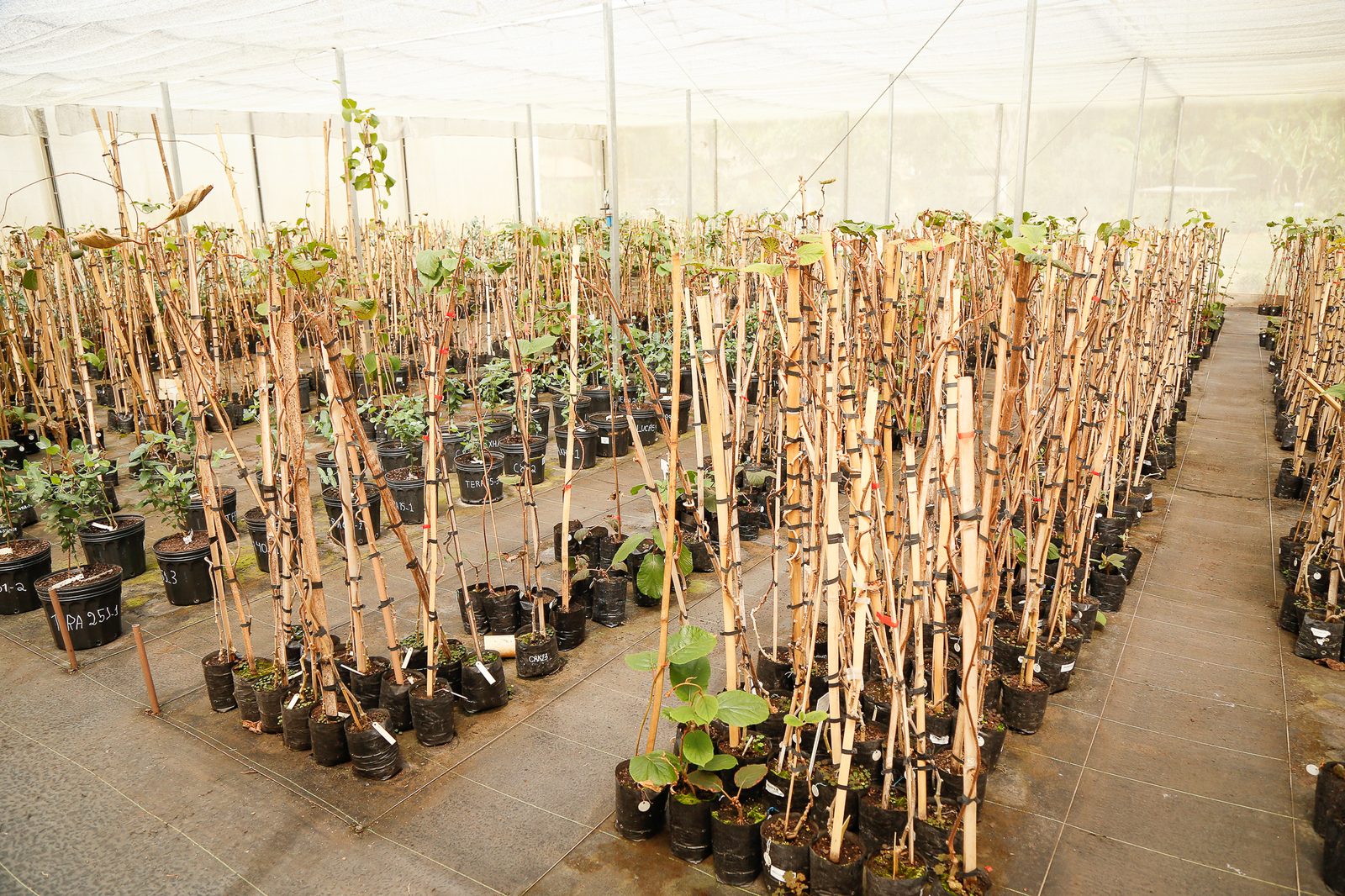
Clonal seedlings in pots with stakes in Clonar's greenhouse
02 · INOCULATION

Controlled trial

Healthy host, favorable environment and aggressive pathogen, with replicates and controls.

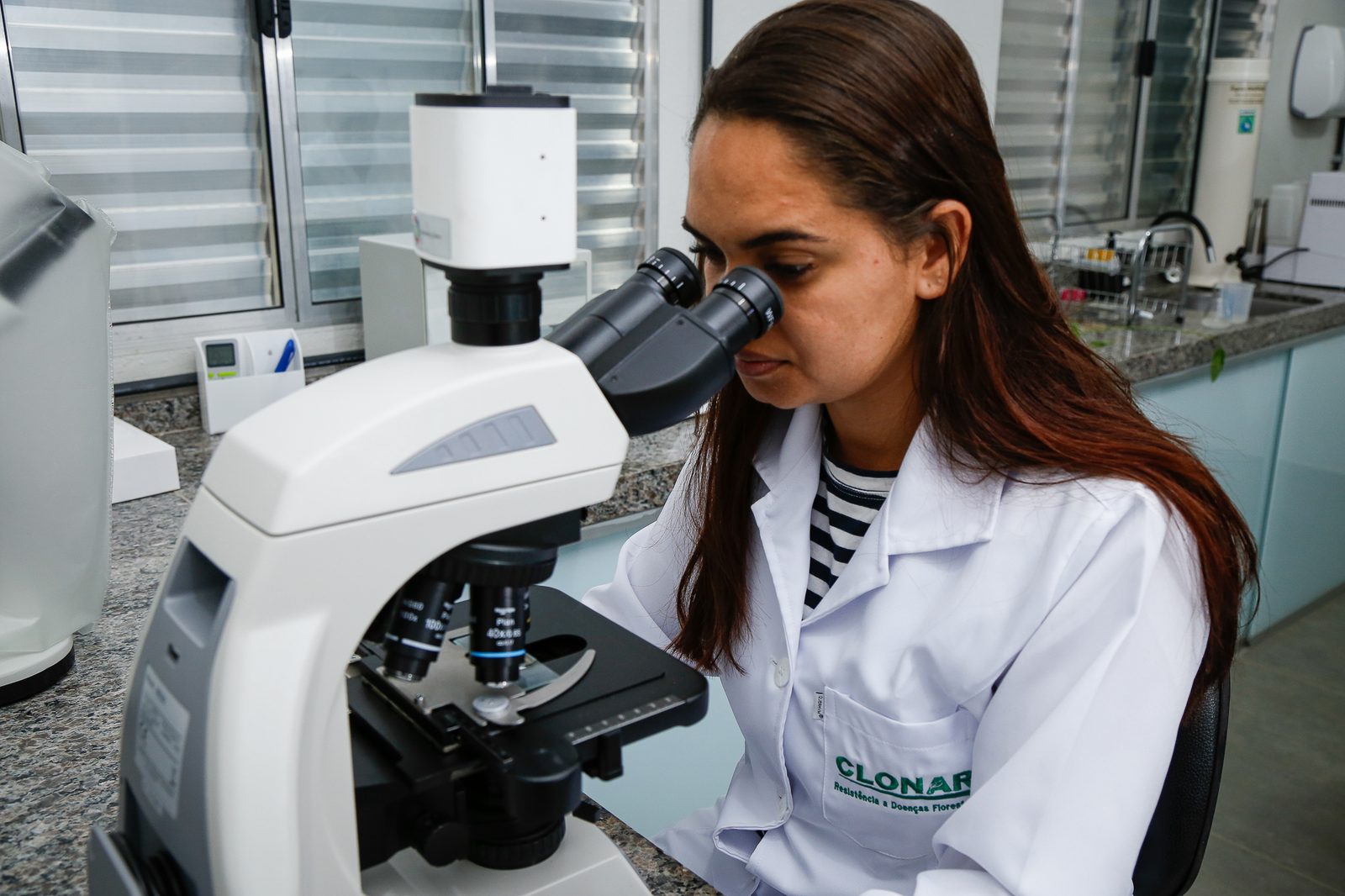
Researcher examines a slide under the microscope in Clonar's laboratory
03 · ASSESSMENT

Severity and progress

Standardized rating scales, lesion length, progress curve and statistical analysis.

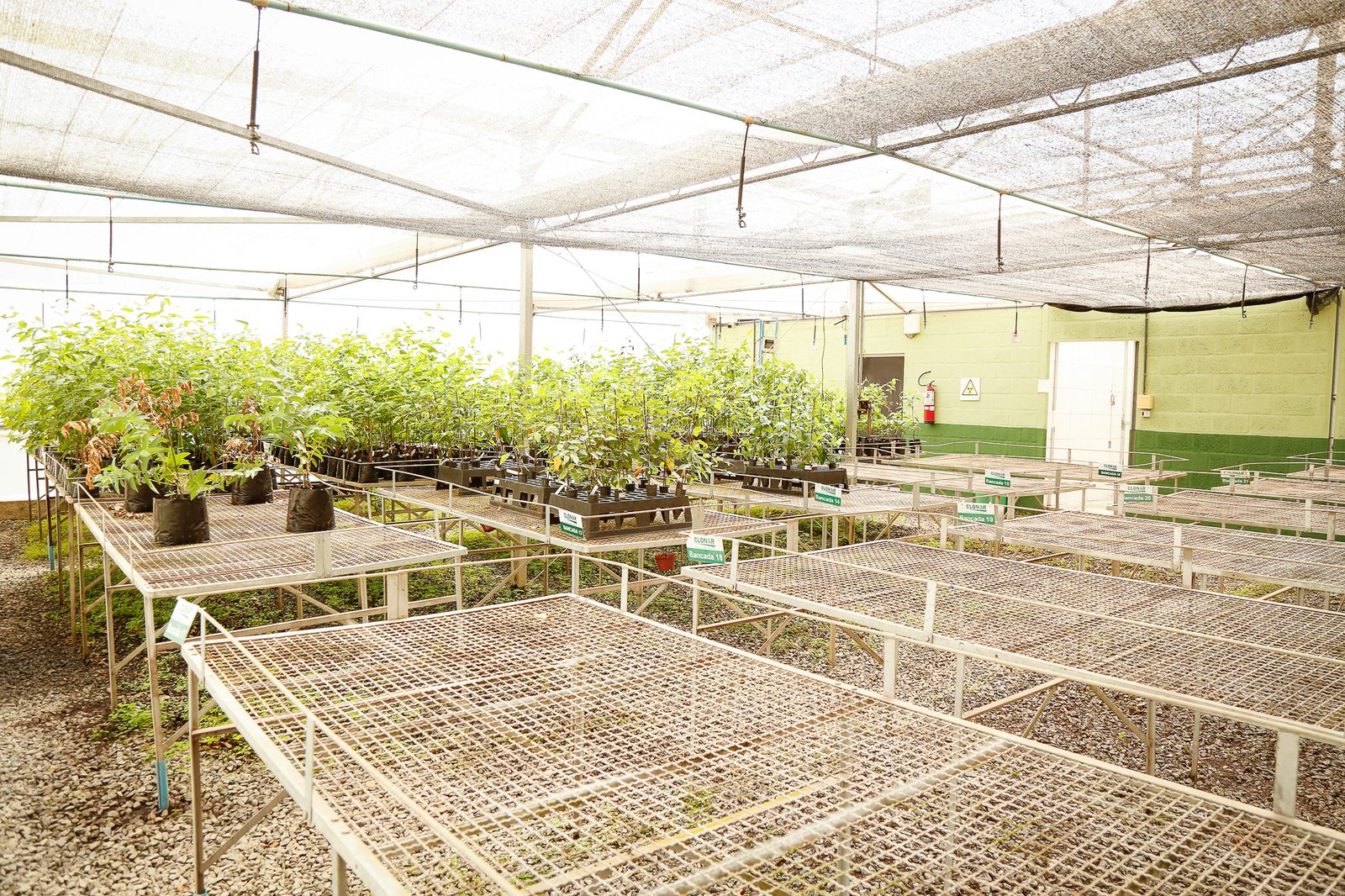
Stainless-steel benches and plants under assessment in Clonar's greenhouse
04 · REPORT

Classification per clone

Resistant, tolerant or susceptible, with a recommendation for the breeding program.

When companies usually phenotype At the end of the program, with few clones

Years of selection for growth and wood quality, and only then the disease test. If none resists, the program starts over.

When they should phenotype At the start, with many clones

Disease leaves the equation at the very first filter. What advances to the field is already resistant, and the cost per resistant clone identified drops.

Isolate collection

2,234 isolates. Not all behave alike—and that changes everything.

The reliability of a trial depends on the quality, diversity and representativeness of the pathogens used. Clonar's collection covers the seven main diseases of planted forests.

7diseases assessed with in-house isolates from different regions and hosts
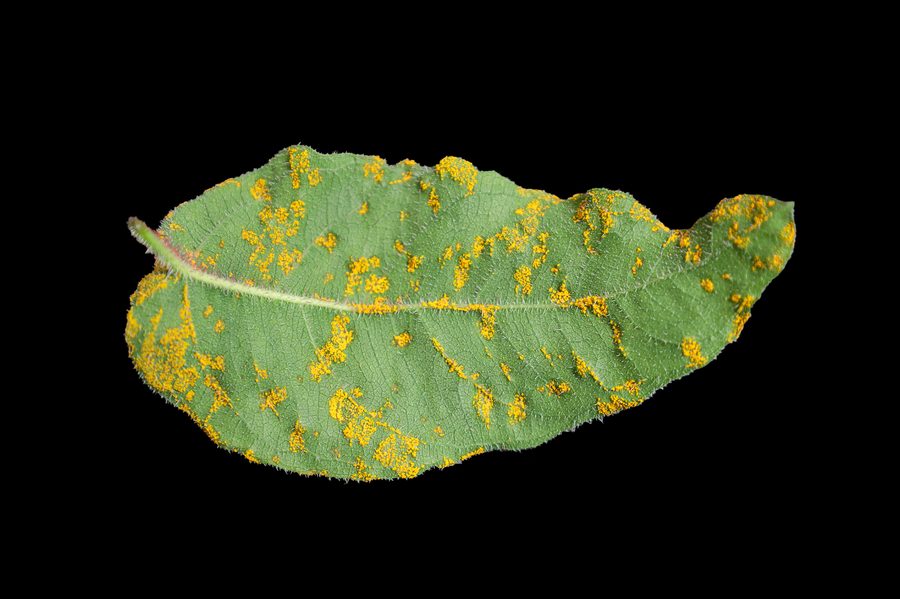
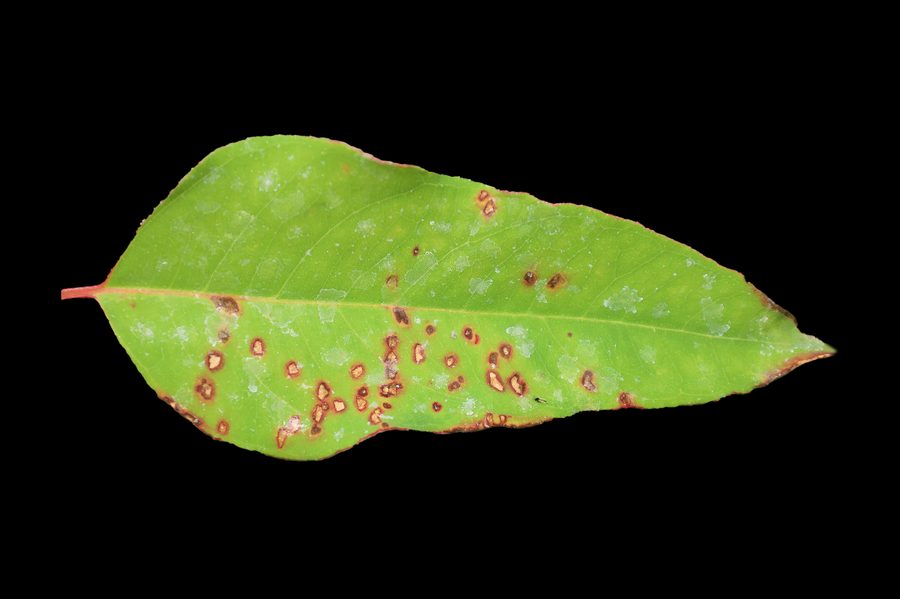
Eucalyptus leaf with yellow myrtle rust pustulesfungus
Myrtle rustAustropuccinia psidii
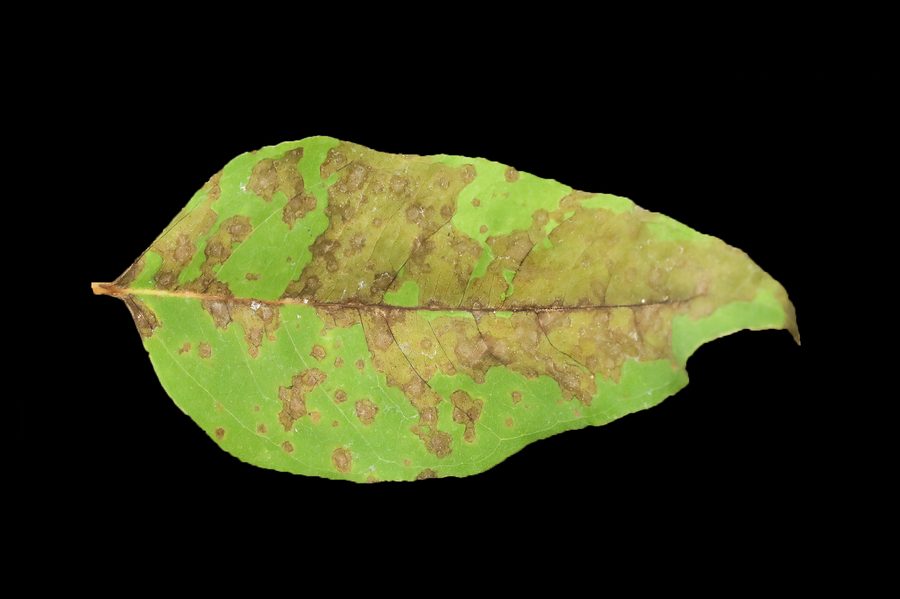
Leaf with necrotic Calonectria spotsfungus
Calonectria leaf blightCalonectria spp.
Leaf with bacterial leaf blight lesionsbacterium
Bacterial leaf blightXanthomonas spp.
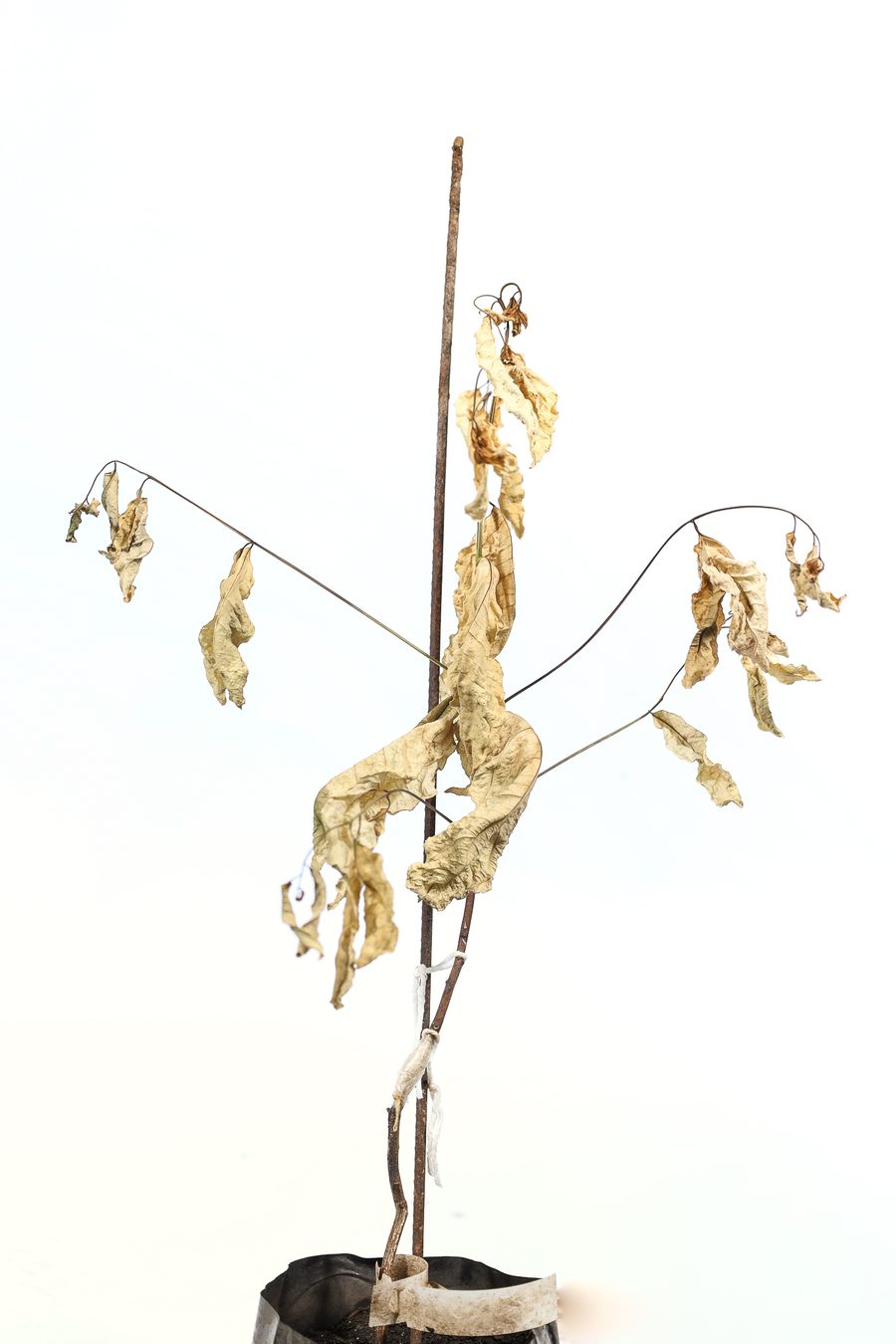
Seedling wilted by Ralstonia on a white backgroundbacterium
Bacterial wilt (Ralstonia)Ralstonia solanacearum
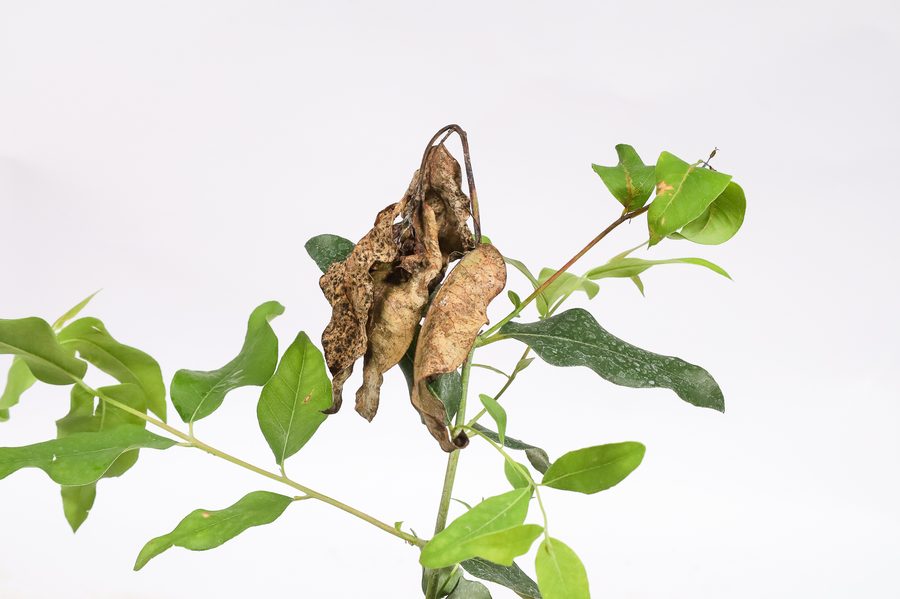
Shoot tip killed by Erwinia on a eucalyptus seedlingbacterium
Shoot blightErwinia psidii
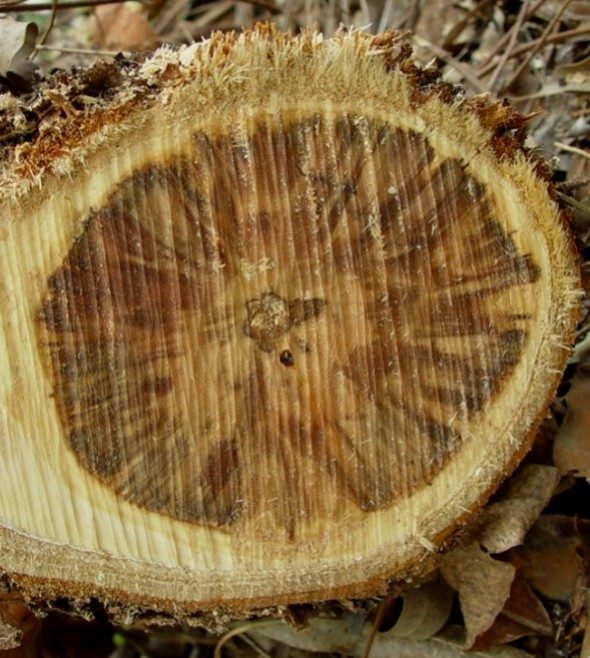
Stem cross-section with wood darkening caused by Ceratocystisfungus
Ceratocystis wiltCeratocystis spp.
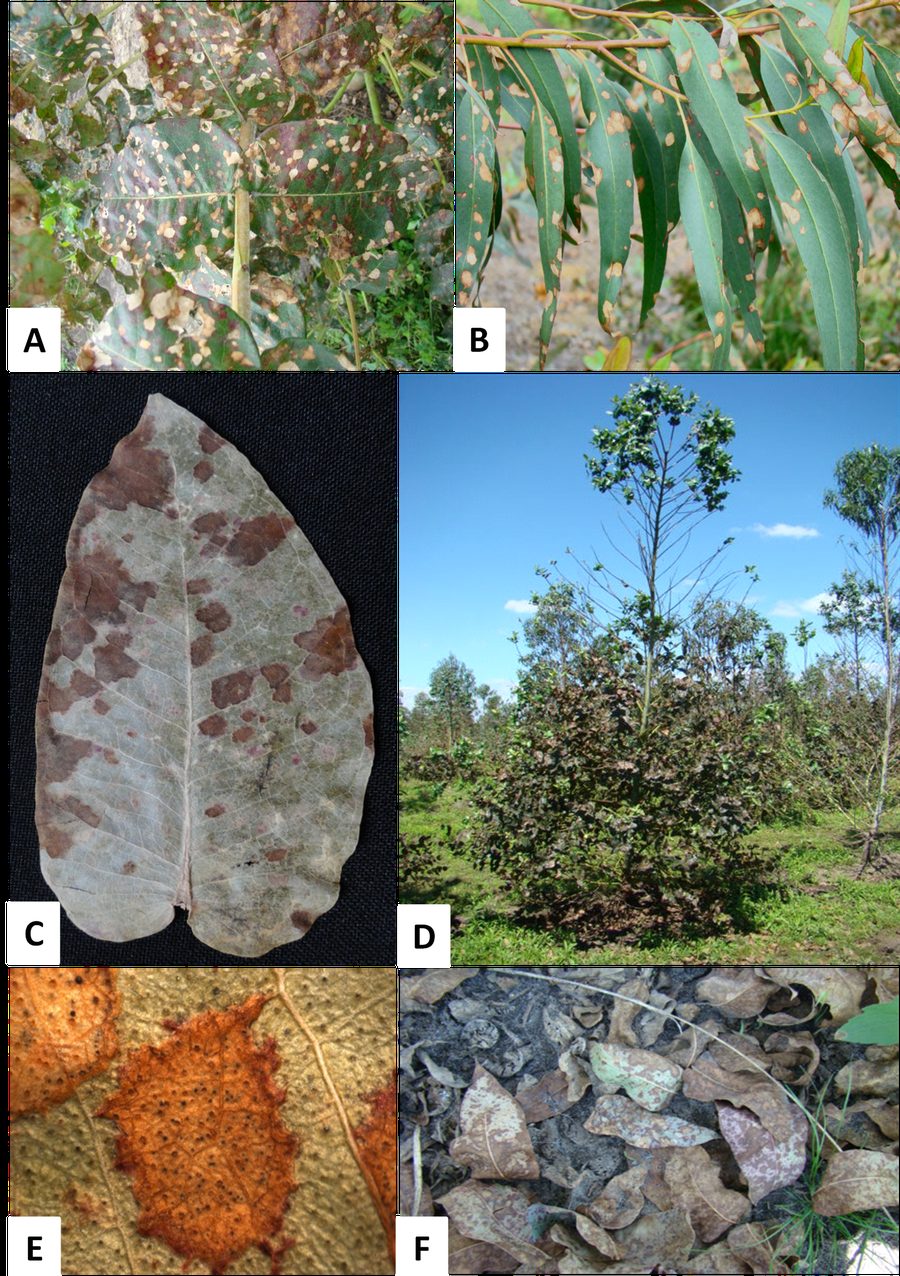
Plate with Teratosphaeria leaf disease symptoms on leaves and in a plantationfungus
Teratosphaeria leaf diseaseTeratosphaeria spp.

Variability among isolates

The same pathogen, 28 different behaviors

  • Each bar is a real Ceratocystis fimbriata isolate from Clonar's collection, inoculated into the same clone.
  • Lesion length varies more than fivefold between the least and the most aggressive isolate.
  • A trial with a weak isolate approves clones that the field will reject. That is why the representativeness of the collection is the heart of precision.

Scientific leadership

Our focus here is finding real solutions to the problems companies face.

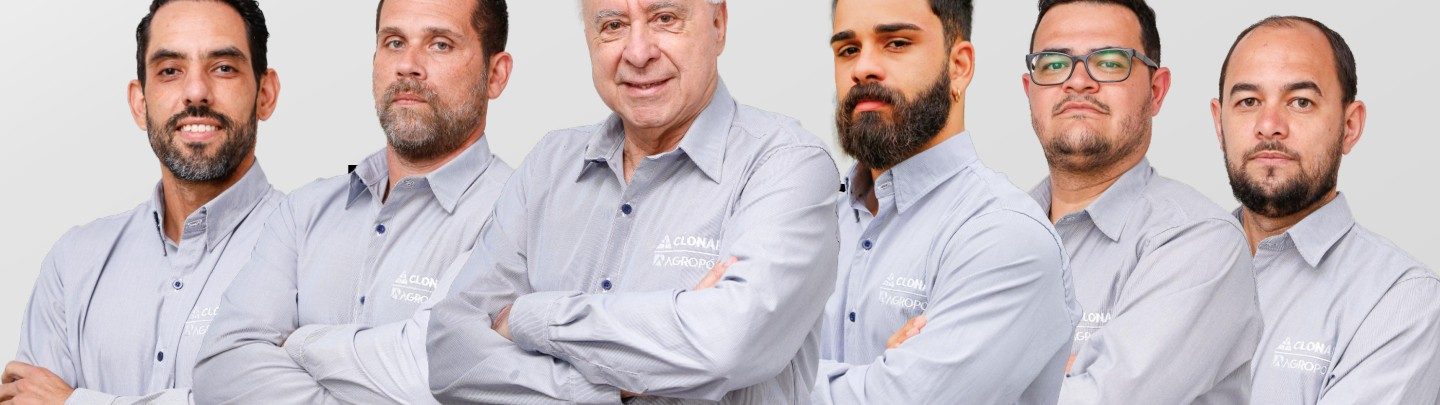
Prof. Acelino Couto AlfenasManaging Partner at Clonar · Professor at the Federal University of Viçosa · Full Member of the Brazilian Academy of Sciences
+20merit awards in technology development over his career
Topamong the world's most cited scientists in Plant Science & Agronomy
15years bringing science and practice together for the forest market
CenTevcompany graduated from UFV's technology-based business incubator
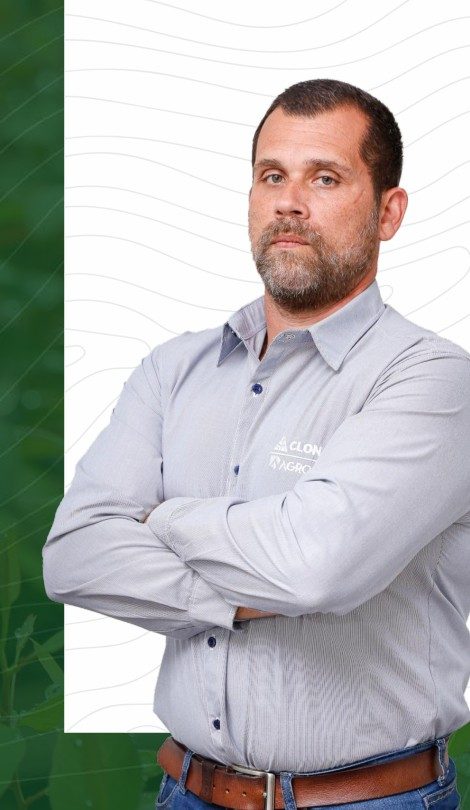
Davi Mesquita
Davi MesquitaAgronomist, PhD in Plant Pathology. Technical Lead for phenotyping and applied research.Meet the team
Multidisciplinary teamPlant pathology, genetic improvement, forest engineering and agronomy, from laboratory to field.See areas of expertise

Triple helix of innovationWe operate at the intersection of the forest industry, academia and funding agencies.

UFVUniversityCenTevIncubatorUSPUniversityEmbrapiiFundingBNDESFundingFapemigFunding

Education

AgroPós: Grupo Clonar's graduate school

Technology only delivers results when operated by prepared people. AgroPós trains specialists through nine MEC-accredited online graduate programs and a short-course platform.

MECAccredited lato sensu graduate programs

Next step

Is your share of the R$ 500 billion protected?

Tell us your company's challenge—a clone being released, a breeding program, a field problem without an answer. The technical team gets back to you within one business day with a proposed approach.

Talk to the technical team
  • comercialclonar@gmail.com
    Reply within 1 business day, in Portuguese, English or Spanish
  • +55 (31) 98327-9951
    WhatsApp and phone, business hours
  • Viçosa, Minas Gerais, Brazil
    Laboratory, greenhouses and experimental field
Talk to the technical team