
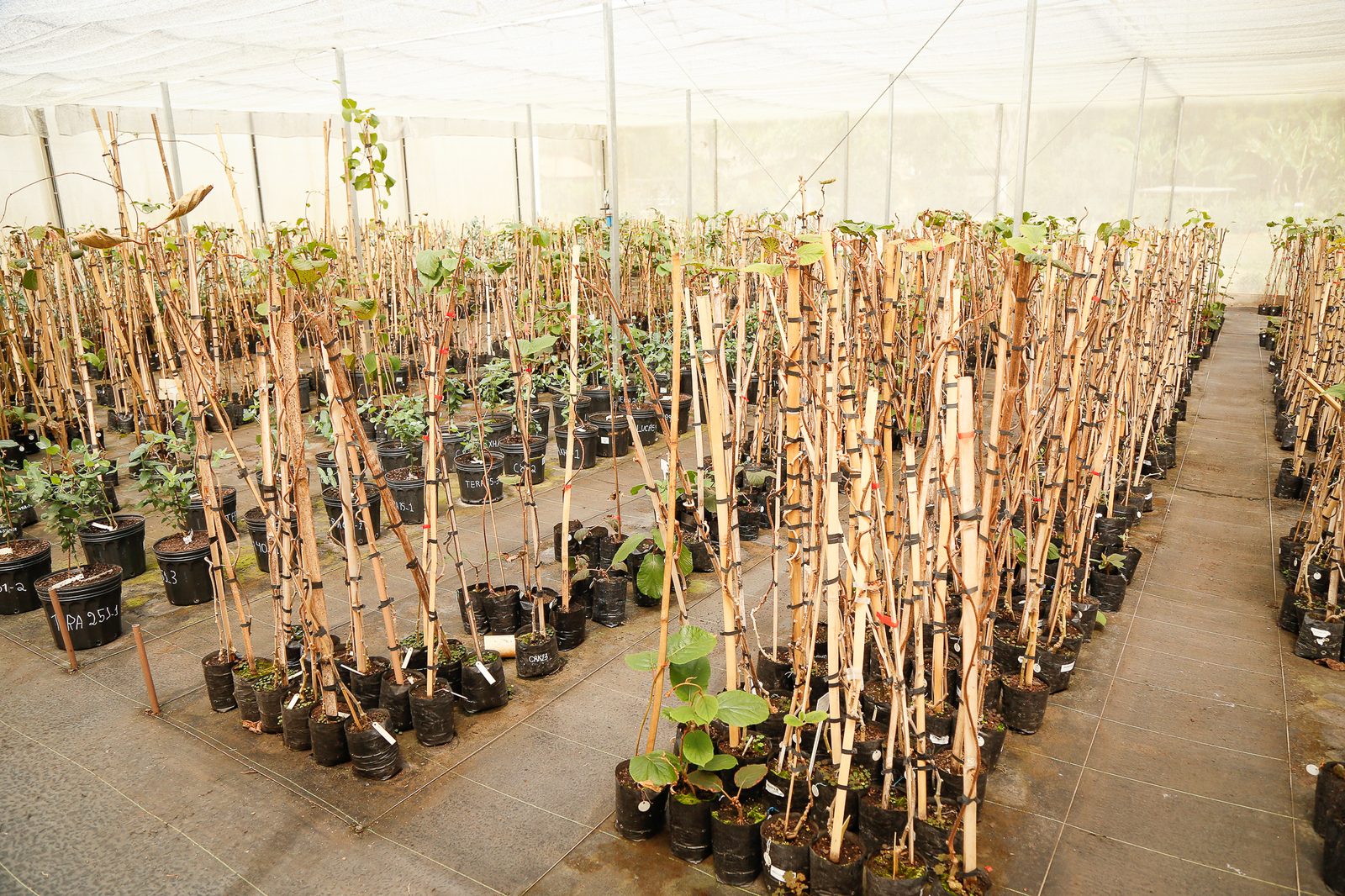
Service 01 · Flagship
Phenotyping and assessment of disease resistance
Precise assessment of how genetic materials behave against the main forest diseases. Trials in greenhouse, field and controlled environments measure the severity, progress and impact of each disease, clone by clone.
Why we put so much emphasis on phenotyping
Growth is measured in the field. Resistance, only with the disease.
A clone can go through years of selection for volume and wood quality without ever meeting the pathogen that will bring it down. In a clonal plantation, that single genotype covers thousands of hectares, and the loss shows up at the end of the rotation.
- Growth trials do not reveal susceptibility. Without the pathogen present, resistant and susceptible clones look the same.
- Disease in the field is irregular. It depends on the year, the region and inoculum pressure; absence of symptoms is not resistance.
- A controlled trial reproduces the three conditions for disease—healthy host, aggressive pathogen and favorable environment—and separates the clones with data.
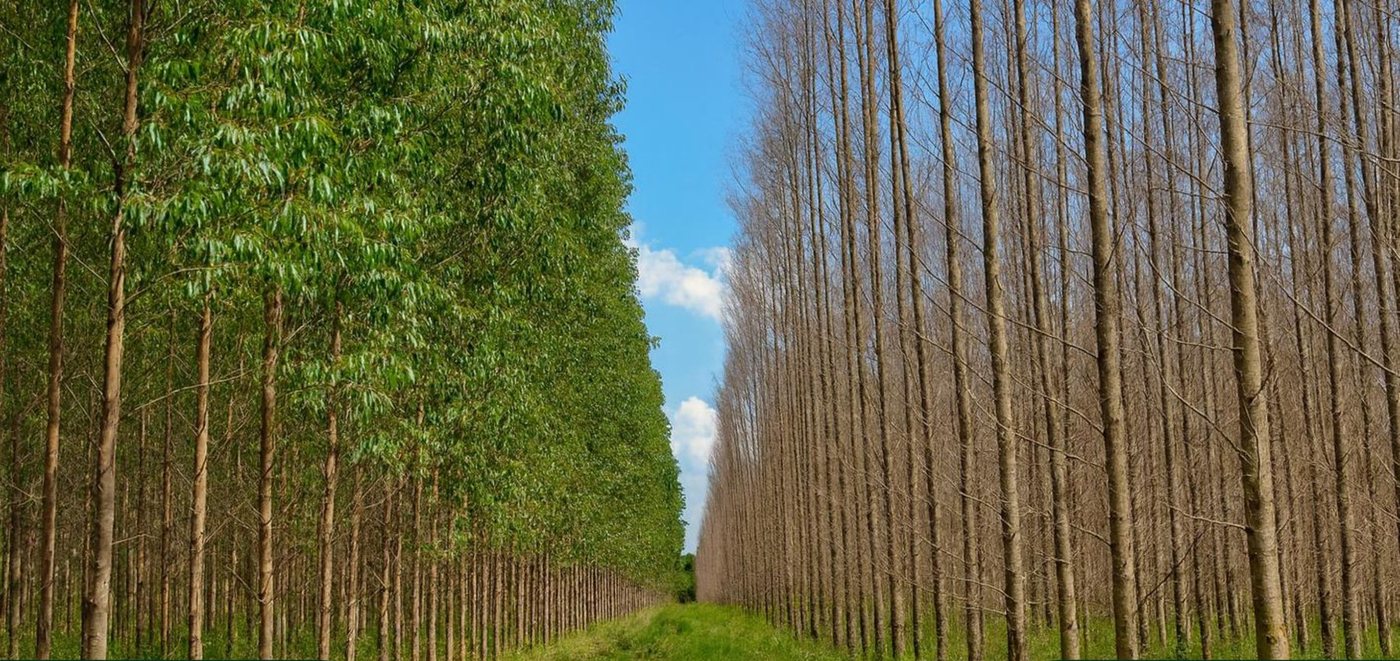
Risk calculator
What if no clone is resistant?
In Clonar's trials, the proportion of resistant clones ranges from 29% to 59%, depending on the pathogen. When phenotyping happens only at the end of the program, with a few finalists, the chance that all of them are susceptible is no longer small.
- Choose the pathogen and the number of clones that reach the disease test.
- Compare a few clones at the end of the program with many clones at the start.
- Phenotyping early does not eliminate the risk: it turns risk into cheap culling, before the investment in field trials.
Calculation: (1 − p)n, where p = proportion of resistant clones observed in Clonar trials for the pathogen (technical presentation, 2026). Assumes independent clones; related clones tend to behave alike, which increases the actual risk. Dots: expected value, green = resistant.
What we assess
Seven diseases, each with its own protocol
| Disease | Agent | Where it attacks | Main variable assessed | Resistant clones in trials |
|---|---|---|---|---|
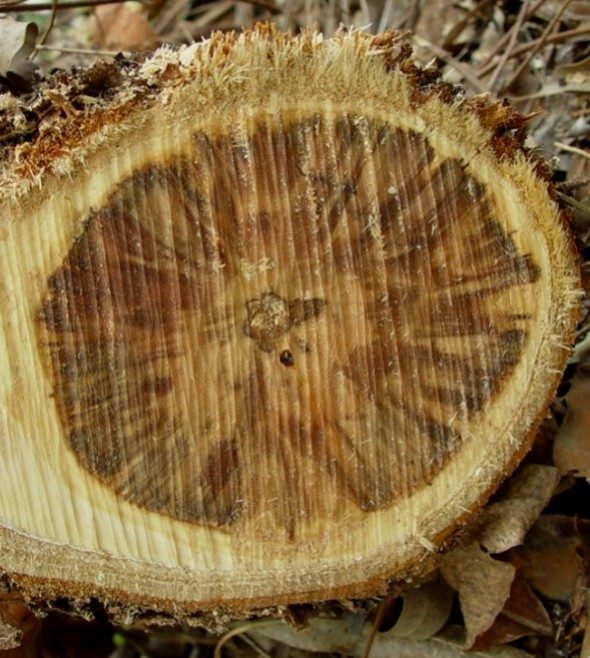 Ceratocystis wilt Ceratocystis wilt | Ceratocystis fimbriata fungus | Wood and vascular system | Lesion length in the wood (cm) and wilting | |
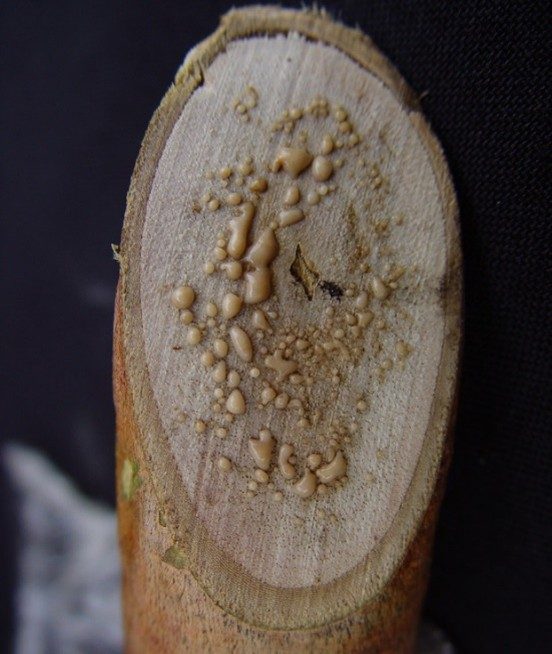 Bacterial wilt (Ralstonia) Bacterial wilt (Ralstonia) | Ralstonia solanacearum bacterium | Roots and vessels | Wilt incidence and severity | |
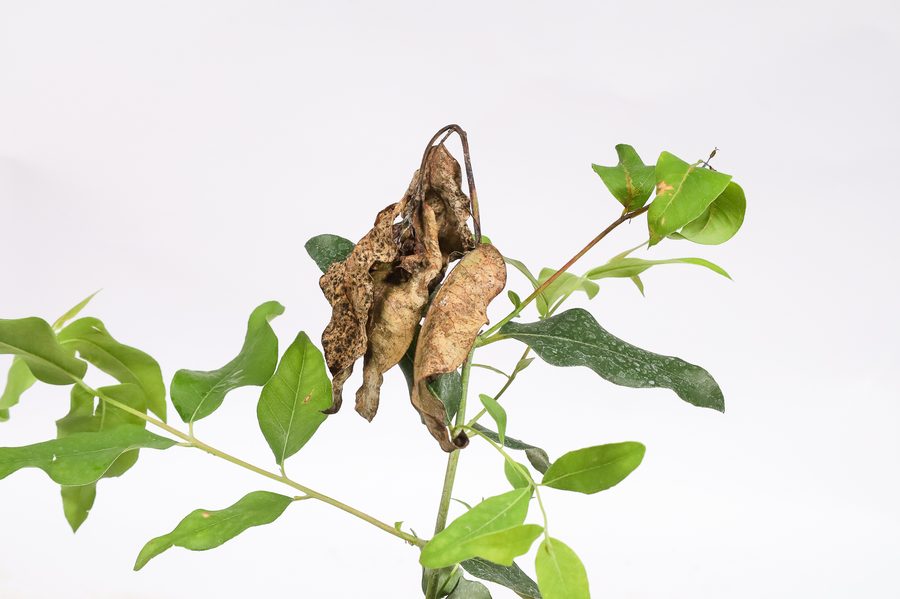 Shoot blight Shoot blight | Erwinia psidii bacterium | Shoot tips and new shoots | Shoot blight severity | |
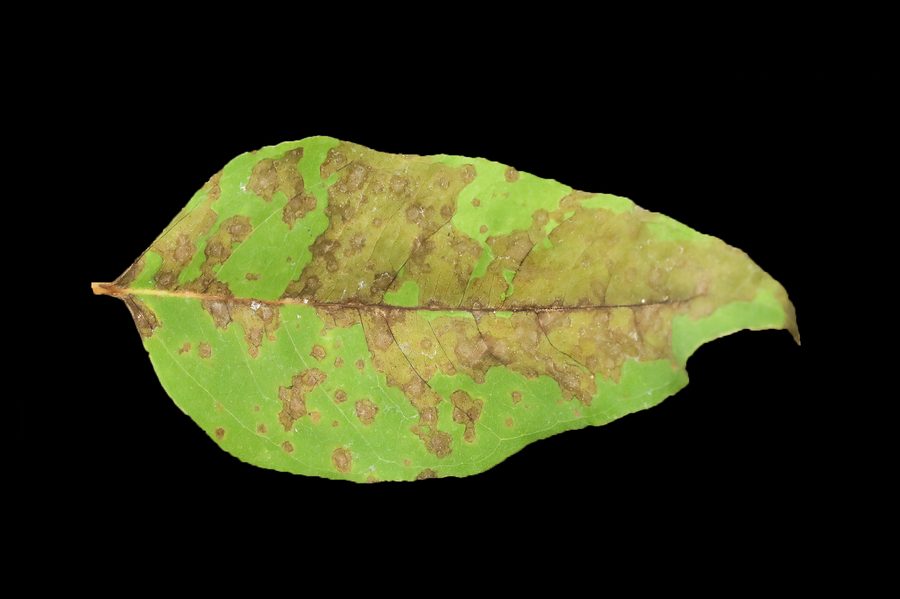 Calonectria leaf blight Calonectria leaf blight | Calonectria pteridis fungus | Leaves | Lesioned leaf area and defoliation | |
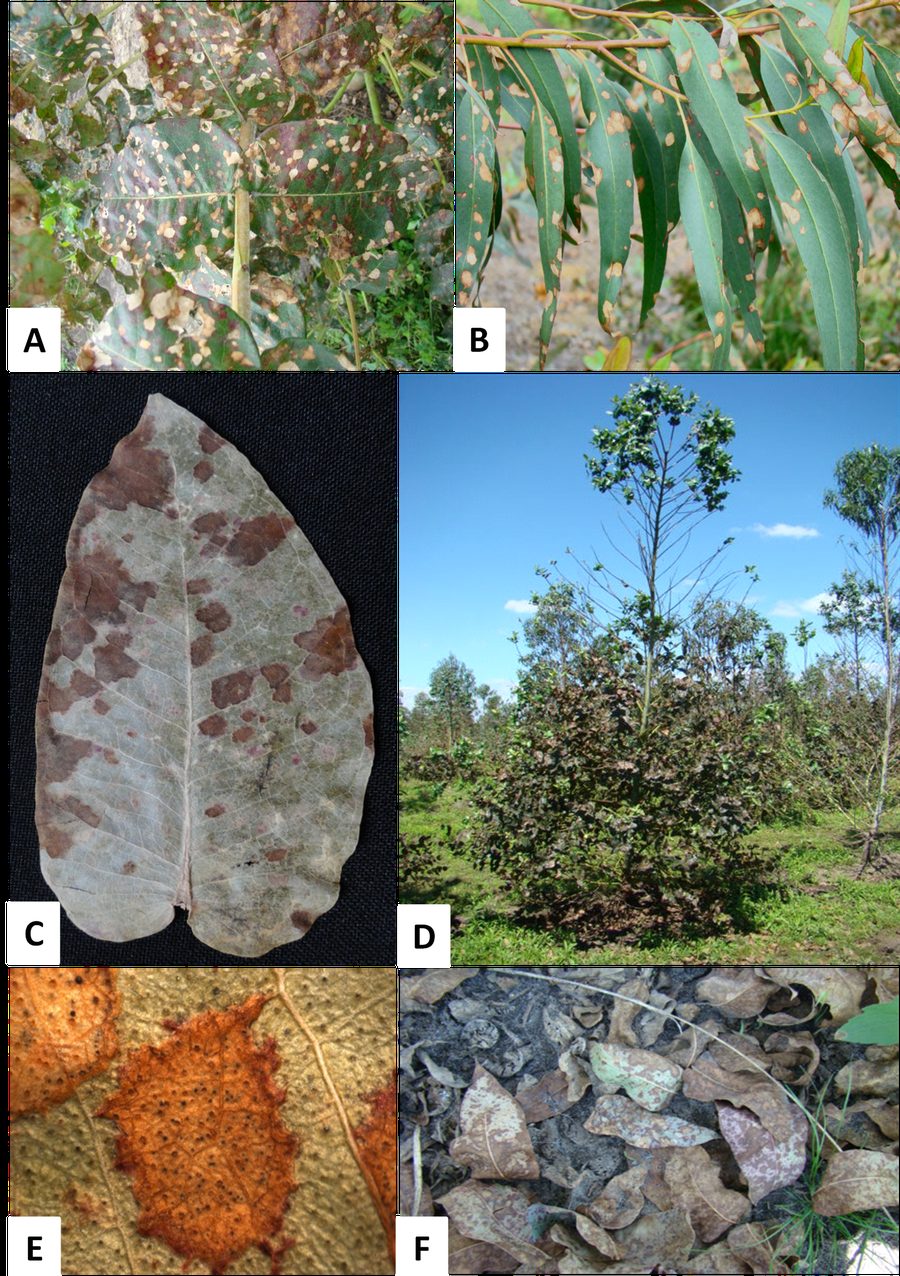 Teratosphaeria leaf disease Teratosphaeria leaf disease | Teratosphaeria nubilosa fungus | Juvenile and adult leaves | Leaf spot severity | |
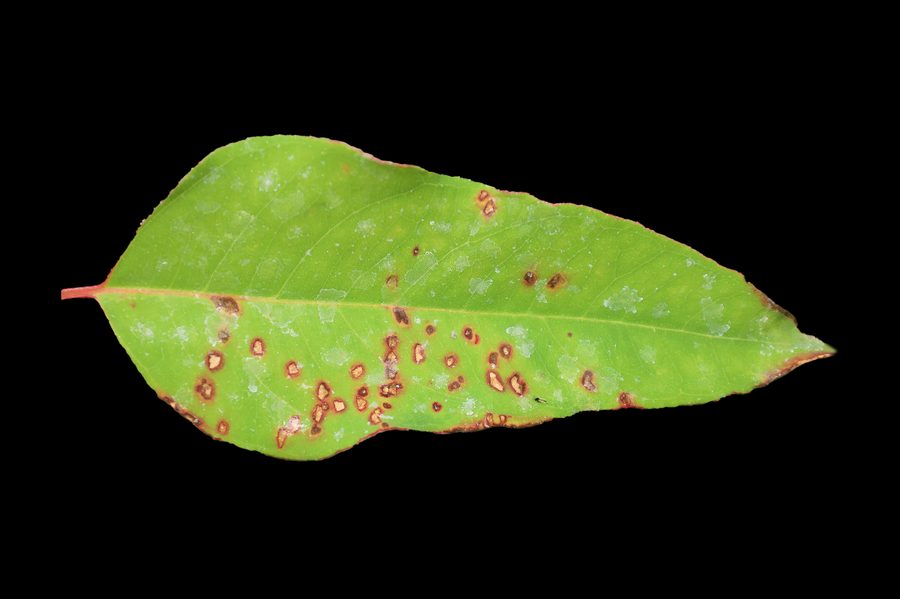 Bacterial leaf blight Bacterial leaf blight | Xanthomonas axonopodis bacterium | Leaves | Severity of leaf lesions | |
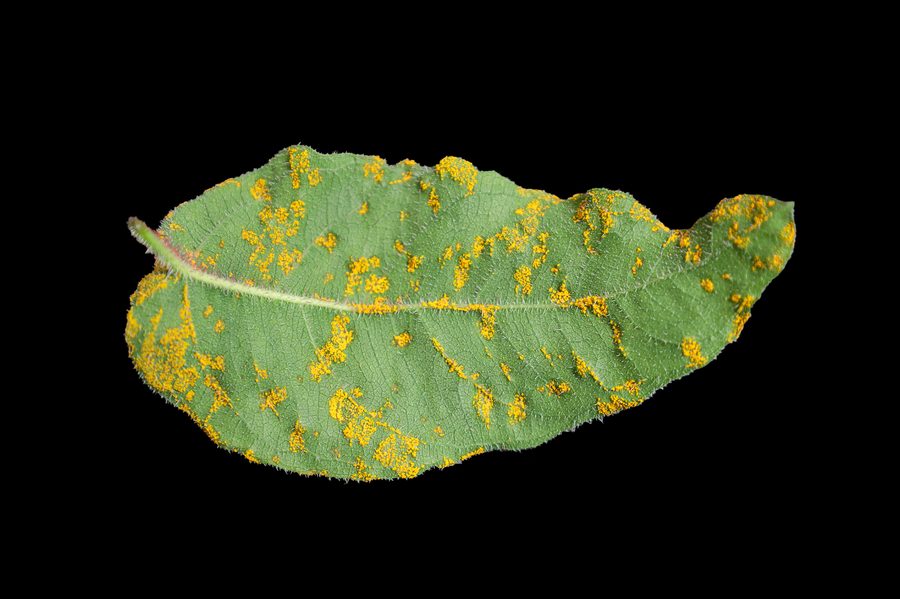 Myrtle rust Myrtle rust | Austropuccinia psidii fungus | New shoots and young leaves | Rating scale by pustule type |
Resistant clones in trials: proportion of all clones assessed per pathogen, Clonar resistance trials (technical presentation, 2026). Green = resistant; ochre = susceptible.
How a trial works
From planning to report, in five steps
Planning
Together with your team, we define the clones, the diseases, the controls and the experimental design.
Controls of known reaction in every trialStandardized plants
Healthy seedlings of the same age and size, so that genetics is the only variable.
Healthy hostInoculation
Representative isolates from the collection, with inoculum prepared and quantified for each pathogen.
Aggressive pathogenIncubation and assessment
An environment favorable to infection, and assessment by standardized rating scales and direct measurements.
Favorable environmentAnalysis and report
Statistical analysis, classification of each clone and a recommendation for the program.
Resistant · tolerant · susceptibleWhat you receive
A report that becomes a decision in the genetics committee
The result is not a nice photo of the trial: it is the classification of each material with the data behind it, ready to enter the selection index.
- Comparison with controls of known resistant and susceptible reaction, which validate the trial.
- Technical presentation meeting with the client's breeding team.
- Confidentiality: genetic materials and results belong to the client.
 Phenotyping report · structure
- Trial identificationClones, disease, isolates used with origin and collection code
- Design and conditionsReplicates, controls, inoculum, recorded temperature and humidity
- Results per cloneMeans, variability and statistical analysis of the variable assessed
- ClassificationResistantTolerantSusceptible
- Photographic recordSymptoms per clone and controls, on the assessment dates
- RecommendationTechnical reading for the breeding program
Can it be customized?
Trials designed around your company's question
Resistance assessments are not all alike. The same service adapts to the stage of the program, the planting region and the diseases of greatest concern.
Isolates from your region
When the problem is local, we collect and isolate the pathogen from your stand and include it in the trial.
Several isolates per disease
Panels with isolates of different aggressiveness, so that the approved clone withstands the pathogen's real diversity.
Multi-pathogen panel
The same batch assessed for two or more diseases, with an integrated reading of each clone's health.
Screening at the start of the program
Large batches assessed early, when culling a clone is still cheap. This is where phenotyping pays off most.
Frequently asked questions
What breeding managers usually ask
How many clones can I assess in one trial?
The trial is sized in the proposal: it ranges from screening large populations at the start of the program to confirming a few finalists. The number of replicates and controls scales with the size of the batch, so that the statistical comparison remains valid.
Do the isolates used represent my region?
The collection holds 2,234 isolates from different regions, hosts and collection years, and the choice is made by origin and aggressiveness. When the problem is specific to one area, the pathogen can be collected in your field and included in the trial.
Do greenhouse results hold in the field?
The controlled trial reproduces the three conditions for disease under high, uniform inoculum pressure, which separates resistant from susceptible clones reliably and in little time. When the question requires it, field validation comes in as a stage of an applied research project.
How long does a trial take?
It depends on the disease, the pathogen and the number of assessments planned. The timeline for each trial is stated in the proposal.
Do I need to send seedlings, or does Clonar produce the plants?
The arrangement is defined in the proposal, according to the genetic material and the client's logistics.
Are the results confidential?
Yes. Genetic materials and results belong to the client and are handled under confidentiality.
Next step
Have a clone being released or a batch to screen? Talk to the technical team.
Tell us the disease, the number of clones and the stage of the program. We reply within one business day with a trial proposal.
or write to comercialclonar@gmail.com