
Service 02
Applied research and technology development
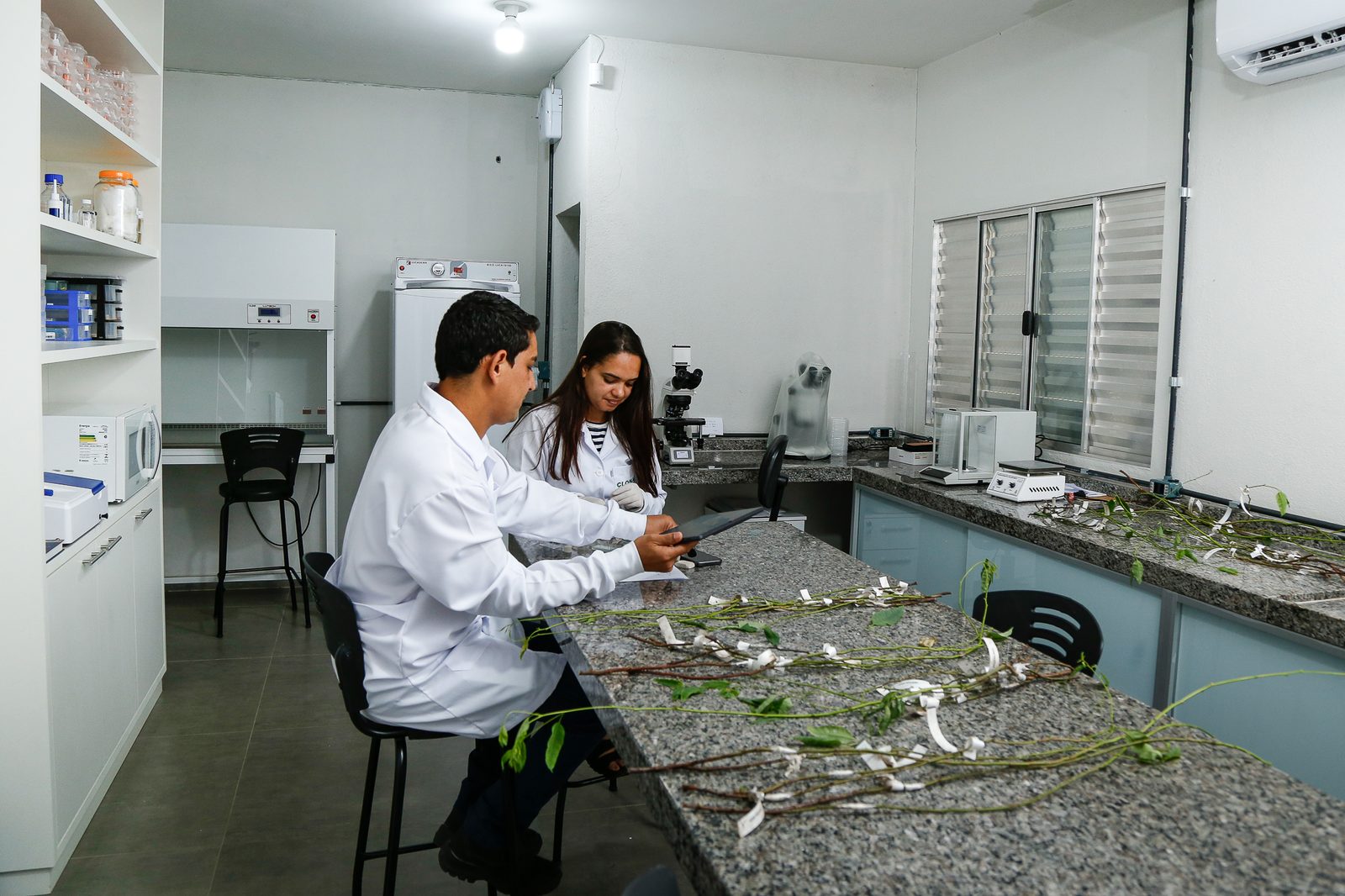
Tailored projects to solve real field problems in plant pathology and forest disease resistance. We work in the laboratory, nursery, greenhouse and field to turn challenges into validated solutions.
The problem
Eucalyptus productivity has stopped rising
From the 1960s to 2010, genetics and silviculture quadrupled the mean annual increment of planted forests in Brazil. Since then, the curve has fallen and leveled off into a plateau.
- Climate, pests, weeds, silvicultural practices and diseases are the leak points through which productivity is lost.
- Disease is the point genetics can close: with resistant clones, the loss no longer depends on the year.
- The remaining bottlenecks are biological and specific—to a region, a clone, a pathogen. They call for research, not a recipe.
From the laboratory to the field
Each question at the right scale
A project starts where the variable can be controlled and ends where the result has to hold: in the stand.
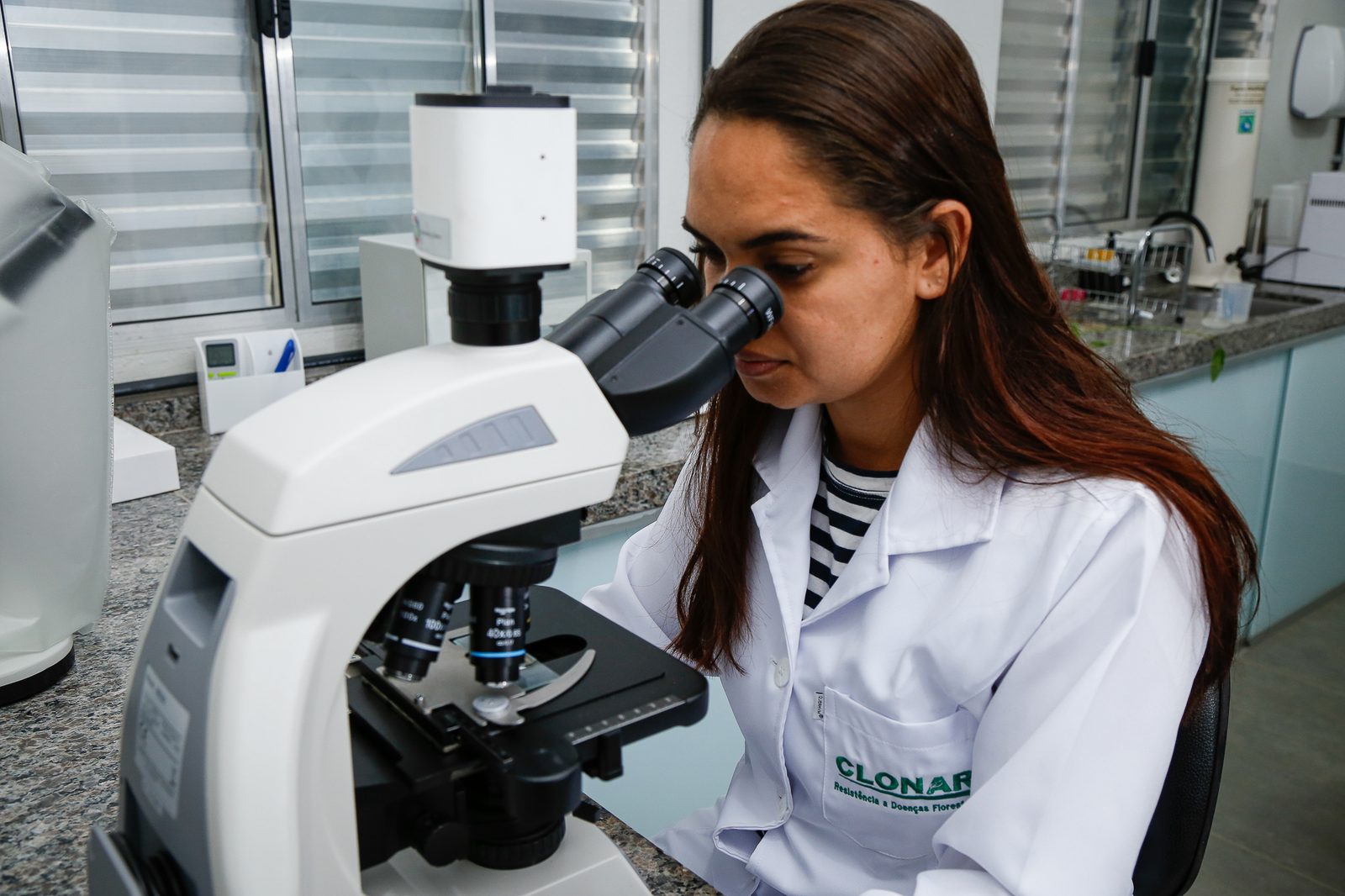
Diagnosis and characterization
Which pathogen it is, where it came from and how aggressive it is. Answers: what is causing the problem.
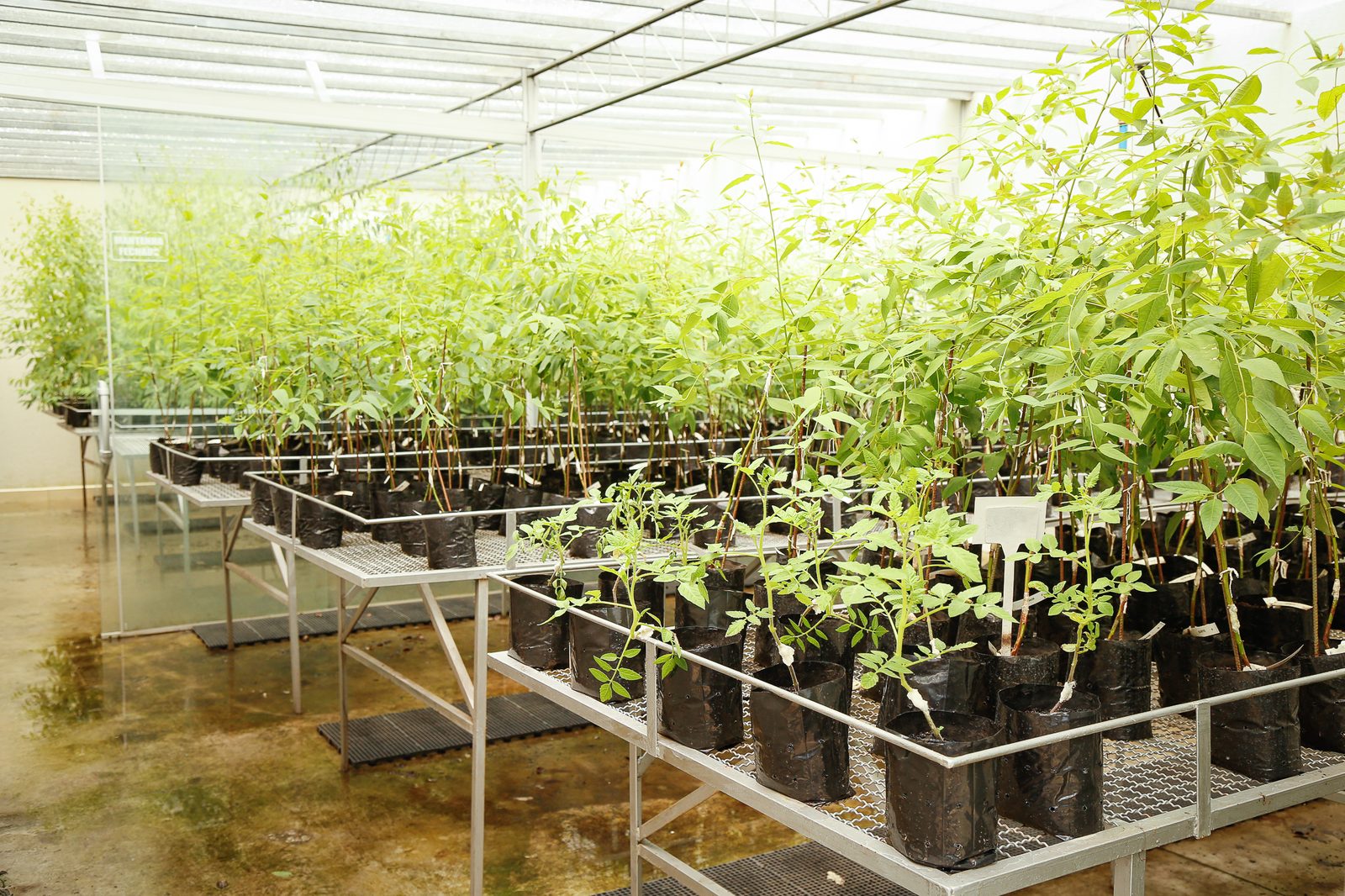
Standardized material
Seedlings of clones and controls produced under sanitary control. Answers: which material to test with.
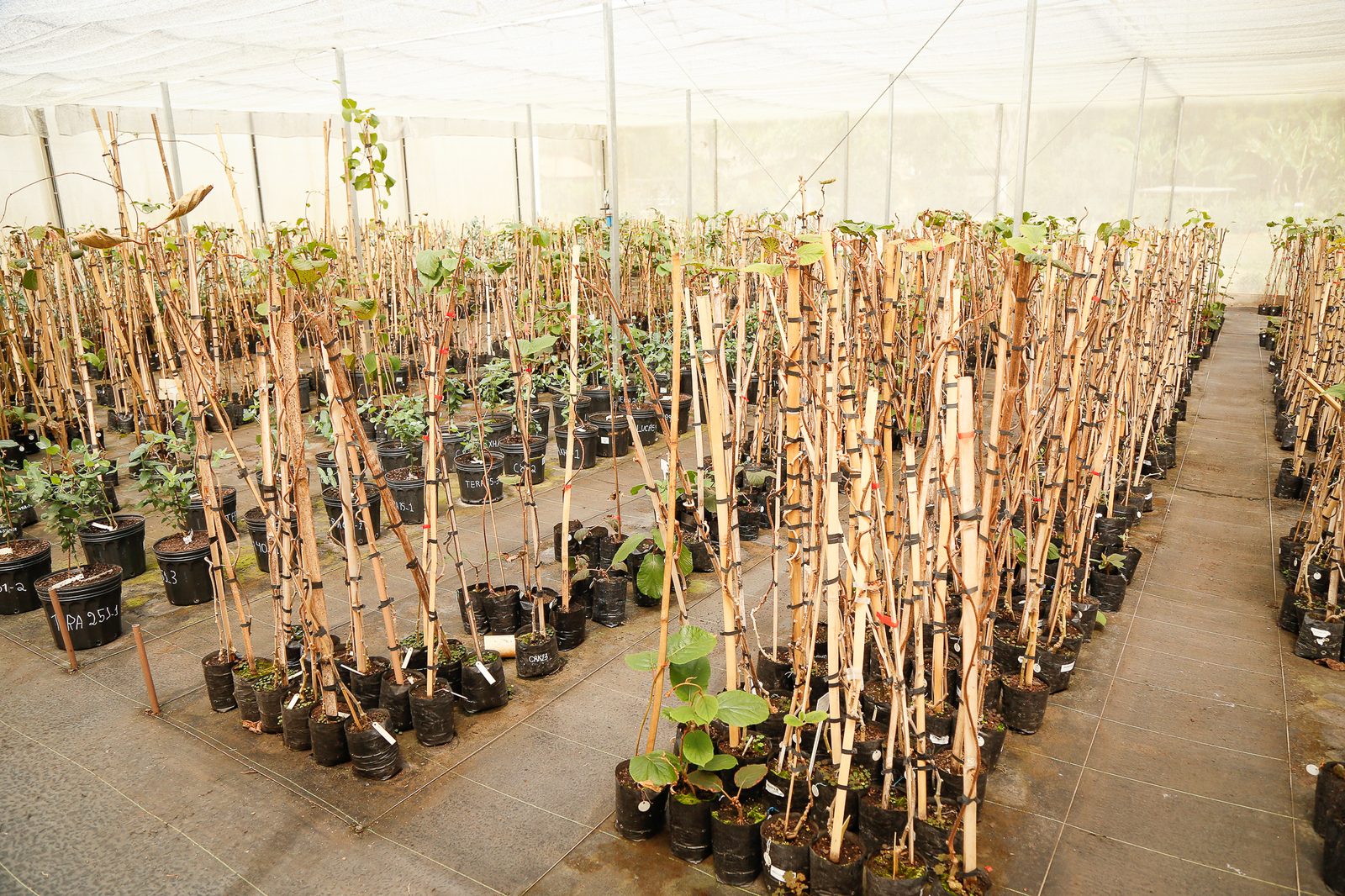
Controlled trials
Inoculation and assessment with the three conditions for disease. Answers: which clones resist, and how much.
Validation under real conditions
Trials in plantation areas, with the region's climate and inoculum. Answers: whether the solution holds up in the stand.
How a project works
From field problem to transferred technology
Problem
Your team presents what is happening in the field: symptom, region, clones, history.
First conversation with the technical teamDiagnosis and hypothesis
Survey of what is already known and what needs to be tested.
Review of the literature and the historyWork plan
Objectives, trials, schedule, deliverables and team. Funding assessed case by case.
Intellectual property set out in the contractExecution
Trials at the required scales, with interim reports and follow-up meetings.
Reports per stageValidated result
Final report, technical recommendation and transfer to the client's team.
Team training, if neededPartnerships and funding
Science done in the triple helix
Forest industry, universities and funding agencies in the same project: the problem comes from the field, the method comes from academia and the financing can be shared.
Universities
UFV and USP in Brazil; cooperation with universities in New Zealand and the United States recorded in Clonar's news.
Embrapii
A co-financing model for innovation projects between companies and research institutions.
BNDES
Innovation support lines for larger projects with a long horizon.
Fapemig
Research funding in Minas Gerais. Clonar research selected for a Fapemig event in 2017.
The funding arrangement suited to each project is assessed in the proposal.
History
Clonar research that made the news
Next step
A field problem with no answer in the literature?
Tell us what is happening. The first conversation is technical: understanding the problem before proposing the project.
or write to comercialclonar@gmail.com