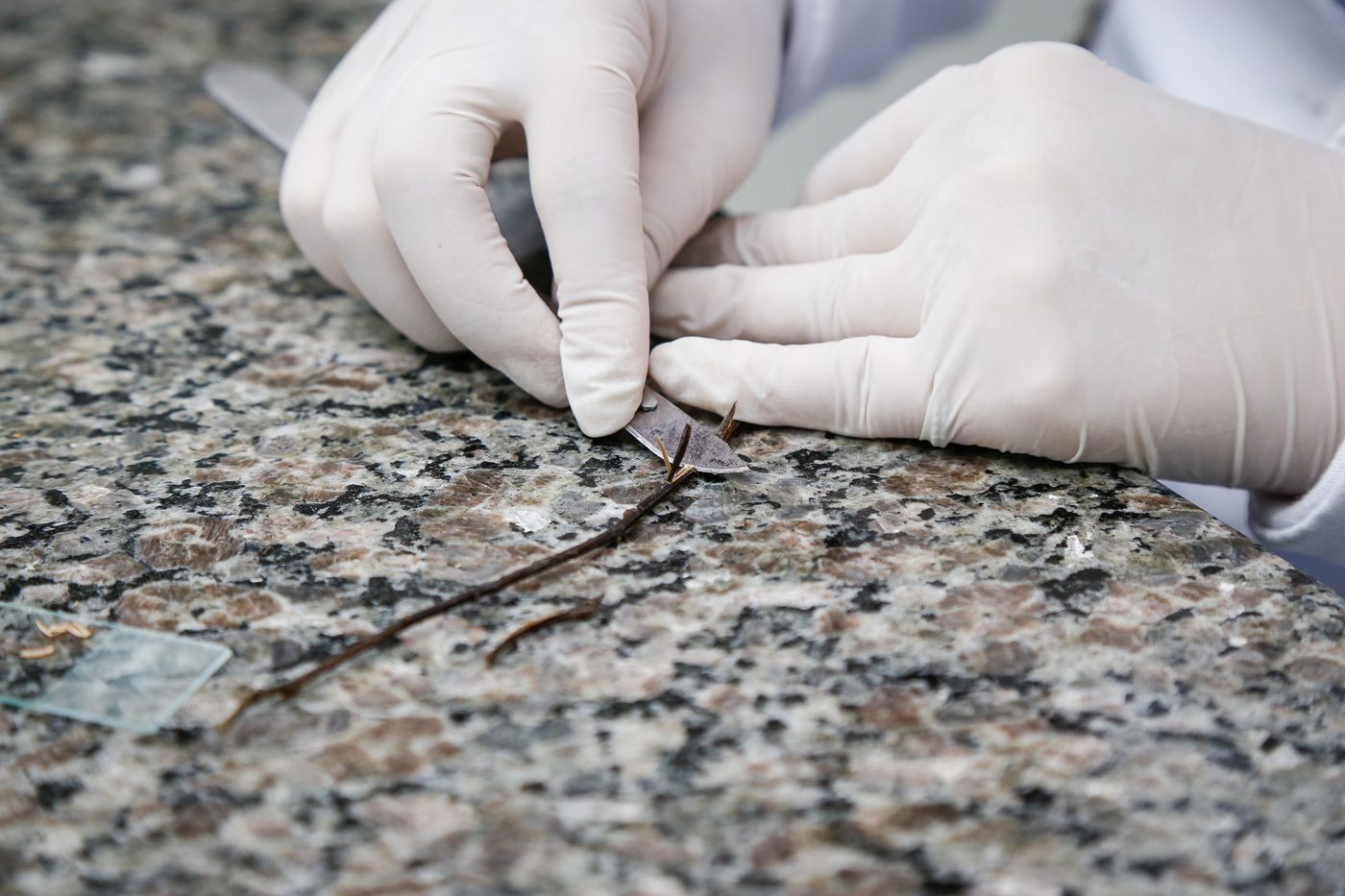
The core of precision
2,234 isolates of the main diseases of planted forests
Assessing resistance is not just "throwing a fungus or a bacterium at the plant." The quality of a phenotyping trial depends on the quality, diversity and representativeness of the pathogens used in it, and that is what Clonar's collection ensures.
Why an in-house collection
A trial is only as good as the pathogen it uses
Confirmed identity and pathogenicity
Each isolate is kept in pure culture, with the pathogen identified and its ability to cause disease confirmed before it enters a trial.
Different regions, hosts and years
The same pathogen varies widely in aggressiveness. A broad collection makes it possible to assemble panels that cover this variation, instead of relying on a single isolate.
What the client's field is up against
Isolates chosen by origin and documented aggressiveness, so that the clone approved in the greenhouse withstands the real pathogen population.
Seven diseases, four parts of the plant
Where each pathogen in the collection attacks
Each disease enters the plant in its own way, which is why each one has its own inoculation and assessment protocol. Tap a pathogen to see where it acts.
- 1Bacterial wilt (Ralstonia)Enters through the roots and colonizes the vessels · Ralstonia solanacearumbacterium
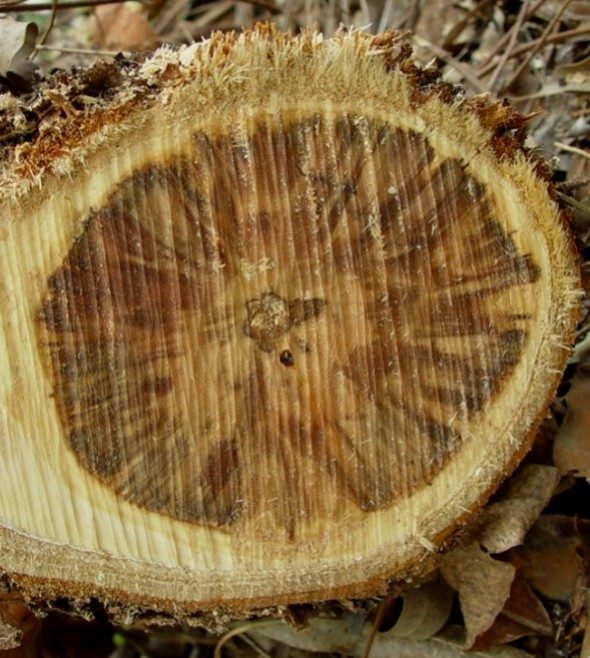
- 2Ceratocystis wiltInfects the wood, usually through wounds · Ceratocystis fimbriatafungus
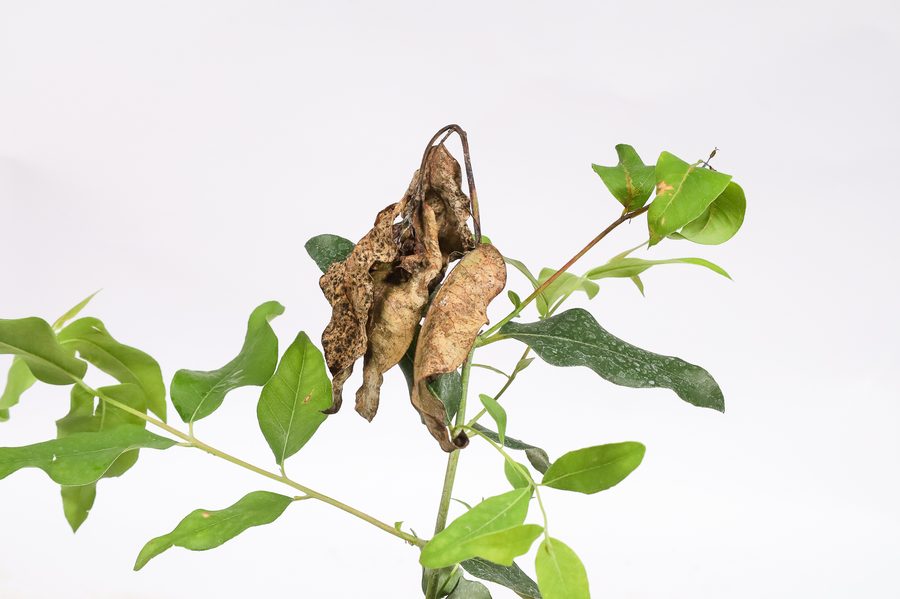
- 3Shoot blightAttacks shoot tips and new shoots · Erwinia psidiibacterium
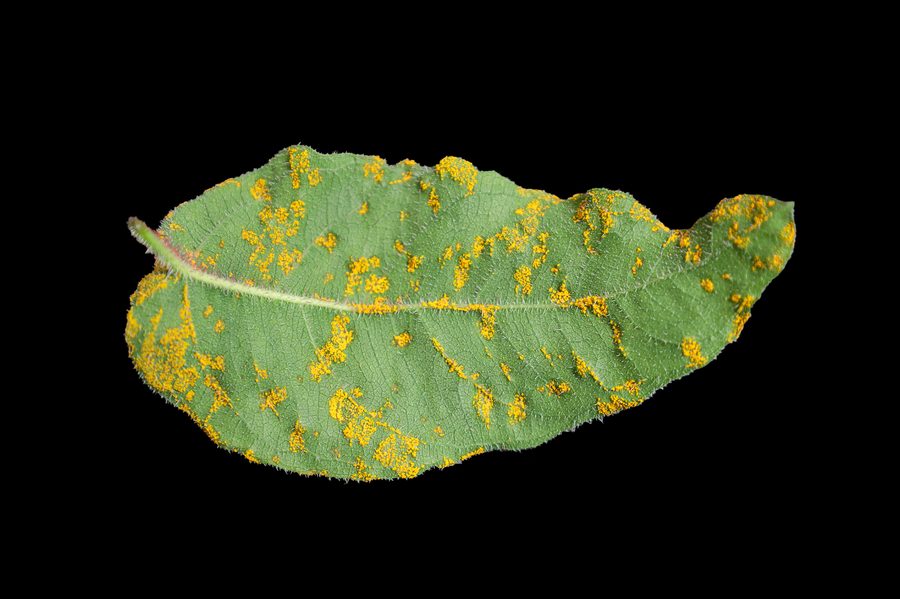
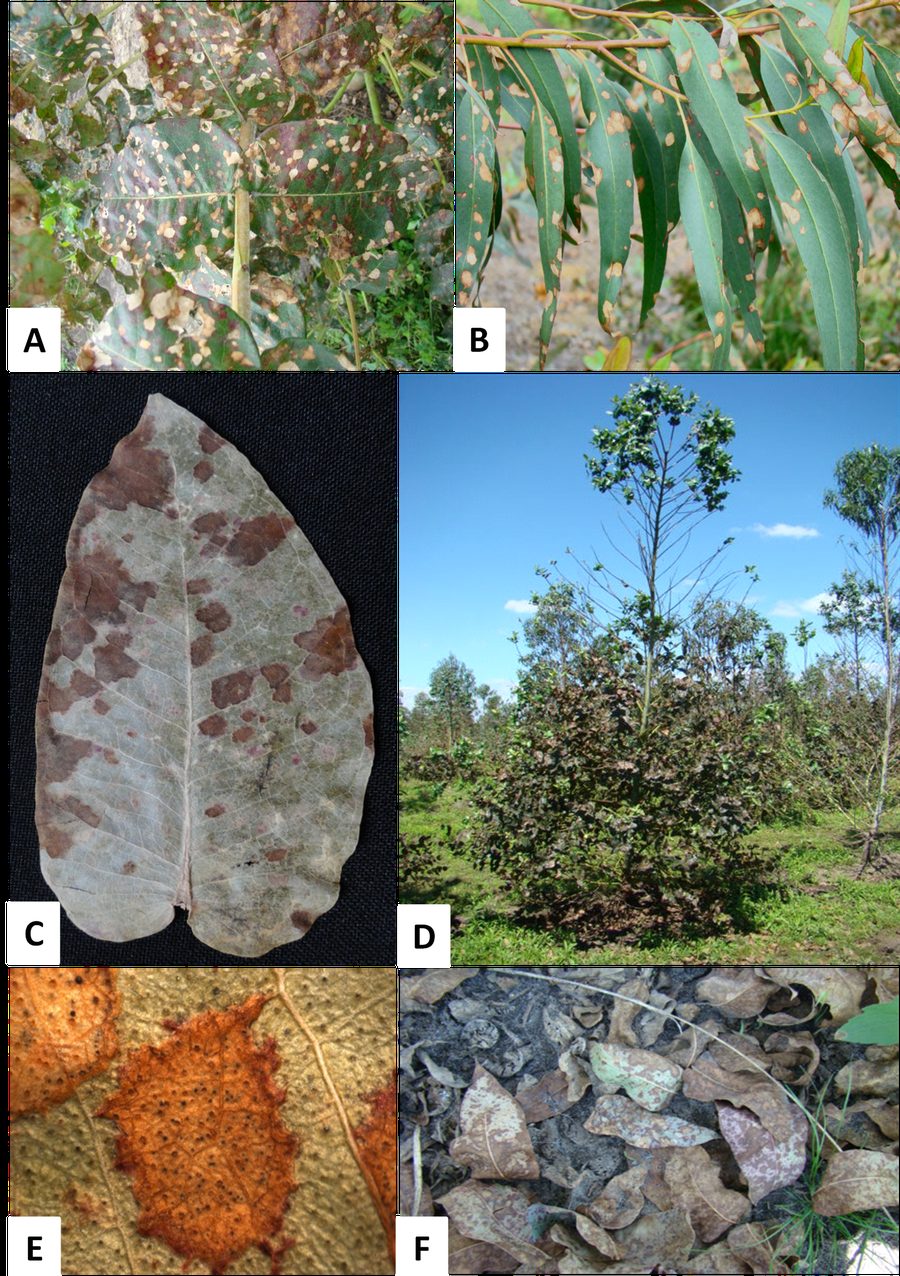
- 4Myrtle rustPustules on young tissue: new shoots and young leaves · Austropuccinia psidiifungus
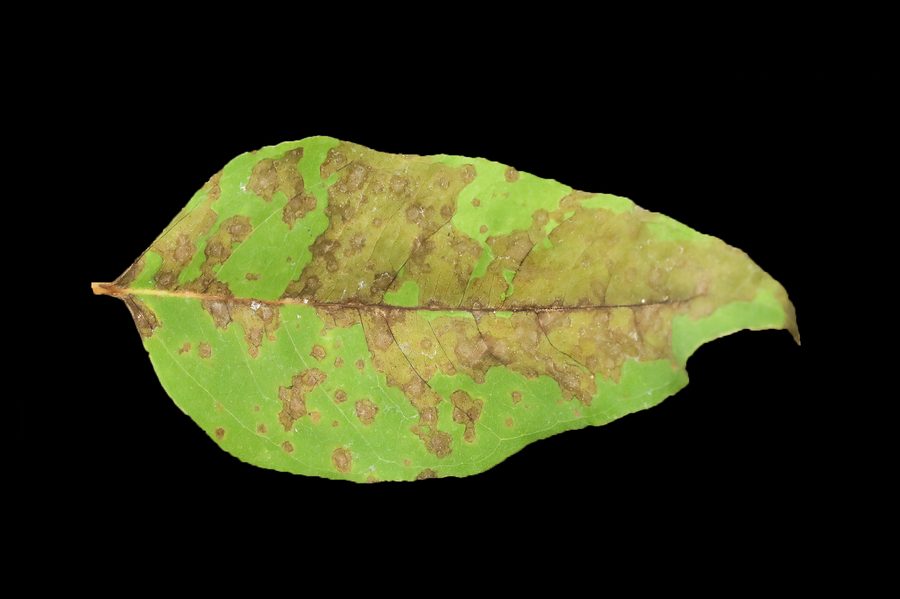
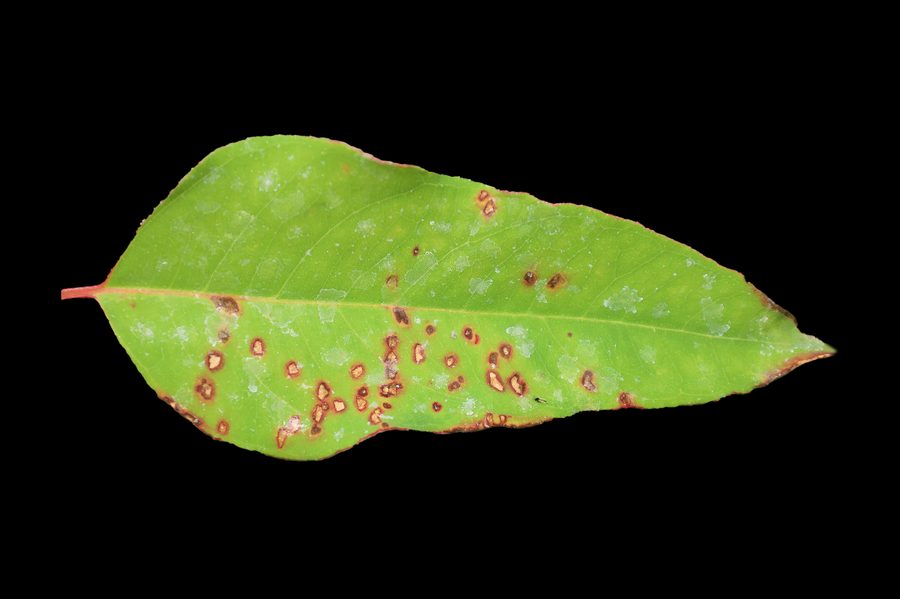
- 5Teratosphaeria leaf diseaseSpots on juvenile and adult leaves · Teratosphaeria spp.fungus
- 6Calonectria leaf blightLeaf spots that lead to defoliation · Calonectria spp.fungus
- 7Bacterial leaf blightLesions on the leaves · Xanthomonas spp.bacterium
Variability among isolates
Same clone, 28 isolates, opposite conclusions
Each bar is a real Ceratocystis fimbriata isolate from the collection, inoculated into the same clone. Choose the isolate for the trial and see how the reading changes.
From the field to the collection
How an isolate enters the collection
An isolate is only used in a trial after it has been identified, tested and registered with its origin.
Sampling
Samples of symptomatic plants from plantations, nurseries and the areas of clients and partners.
Location, host and date recordedIsolation
The pathogen is separated from the diseased tissue and obtained in pure culture.
Pure cultureIdentification
Morphological and, when necessary, molecular characterization.
Species confirmedPathogenicity
Inoculation into healthy plants to confirm that the isolate causes the disease and to measure its aggressiveness.
Aggressiveness documentedPreservation
Long-term storage and a record with origin, host, year and history of use.
Collection code · traceable in the reportThe main diseases assessed
Real symptoms, catalogued by the team
 bacterium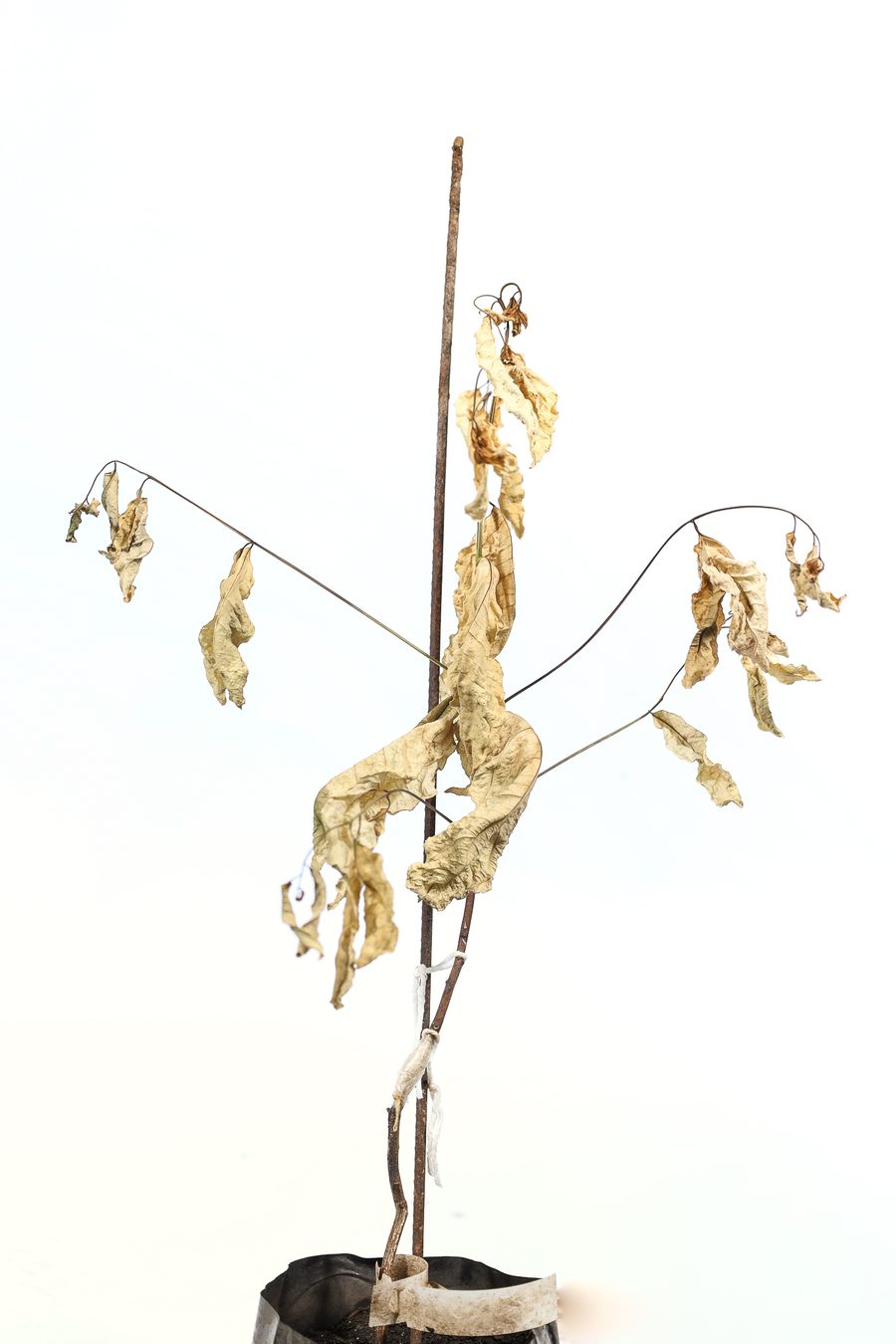
 fungus
Next step
A pathogen from your field not yet in the collection?
We collect, isolate and characterize the pathogen from your area to include it in the trials of your clones.
or write to comercialclonar@gmail.com